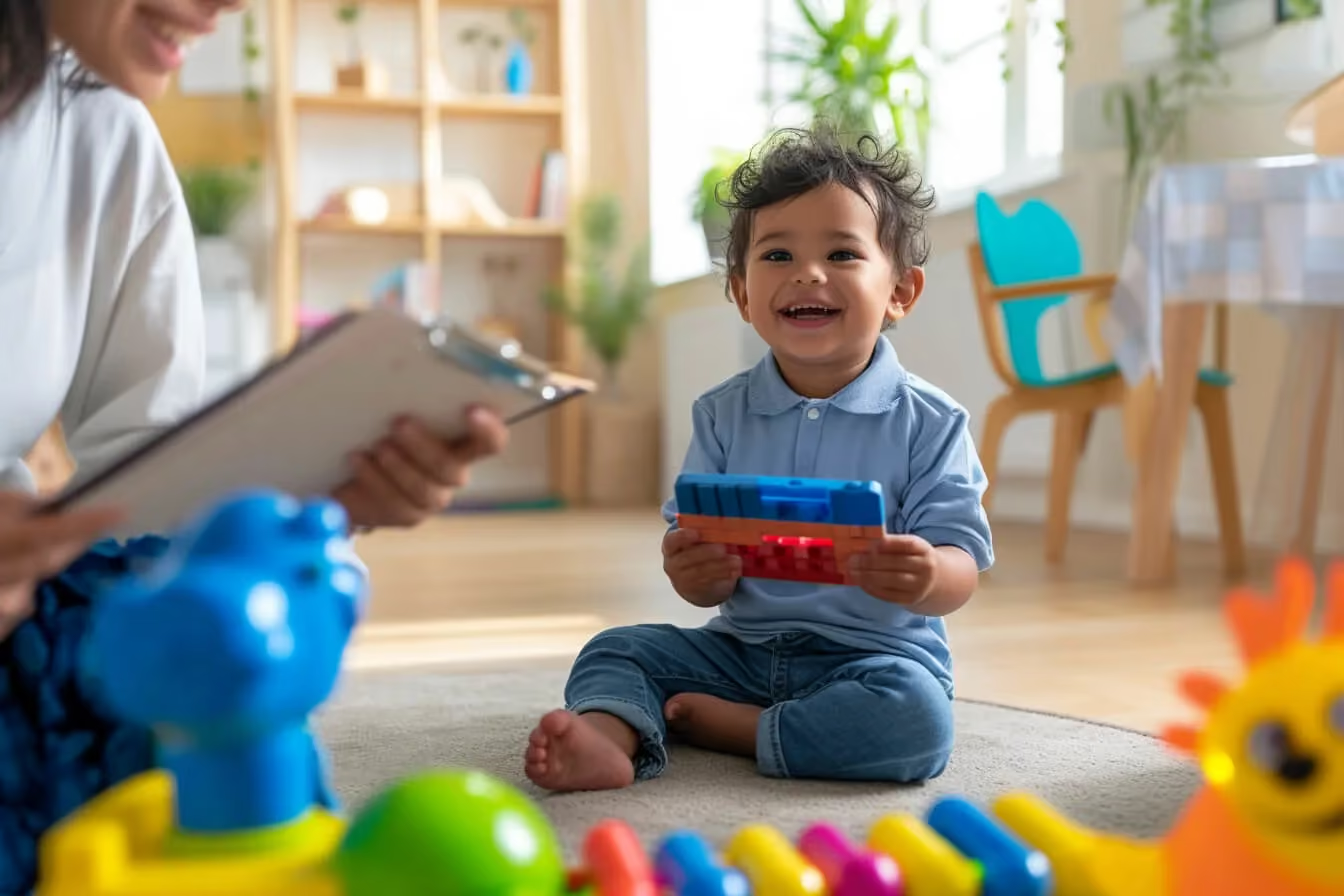




From the moment a baby is born, they begin absorbing knowledge rapidly, learning by observing and interacting with the world around them. Understanding speech and language development is essential to recognizing how children acquire the ability to communicate, from cooing and babbling to forming words and full sentences as they grow.
Speech and language development overview
A baby’s first communication, the very first form of child language, is a primitive cry, which they quickly learn will get their needs met. But within months, babies begin to focus on their parents' speech and develop their language skills.
In fact, children do the most learning during their first three years of life, which is a critical period for speech and language development. During this time, their brains soak up every sight and sound, developing at an astonishing pace.
As a parent, you can help foster your child’s skills by creating a language-rich environment and monitoring your child’s language development. If you ever notice delays or have concerns, early support can make a significant difference in helping your child reach important speech and language milestones.
Six stages of speech and language development
Below, we’ve outlined typical milestones to help you monitor your child’s progress, along with strategies to support their growth. While reviewing this language development chart, keep in mind that every baby is unique and acquires these skills at their own pace.
If you have a question about whether something is normal, talk to your child’s pediatrician.
When to seek professional help
While every child develops at their own pace, consistently missing or significantly delaying speech and language milestones may signal the need for a professional evaluation. If you notice a sudden loss of hearing, speech, babbling, or social interaction at any age, it’s important to talk to your child’s pediatrician.
Your pediatrician may refer you to a speech-language pathologist or audiologist, who can assess your child’s speech and language development and create a tailored plan to support their progress. Early intervention is key. The earlier a challenge is identified, the greater the opportunity to support your child’s communication skills effectively.
Activities to encourage speech and language development
Supporting your child’s growth at home is one of the most impactful ways to strengthen their communication skills. These activities to encourage speech and language development are easy to implement in daily life and highly effective when practiced consistently.
- Read together every day: Choose age-appropriate books and take time to point out pictures, name objects, and ask questions. Reading builds vocabulary, comprehension, and sound recognition.
- Narrate your day: Talk through your activities as you go. Say things like, “I’m pouring the juice,” or “Let’s put on your red socks.” This constant input helps children link words to actions.
- Sing songs and nursery rhymes: The rhythm and repetition in songs help children grasp language patterns. Hand motions add a fun, interactive layer to speech and language development.
- Play pretend games: Pretend play helps children develop conversation skills, story structure, and vocabulary. Use dolls, animals, or household objects to build imaginative scenarios.
- Repeat and expand: When your child says a word or phrase, respond by repeating it and adding more detail. For example, if your child says, “Car,” you can say, “Yes! A big blue car is going fast!”
- Use visual aids and gestures: Pair spoken language with visual cues or hand motions. Pointing, nodding, or using simple signs reinforces understanding and helps bridge gaps in communication.
- Practice turn-taking and conversation: Even young toddlers can practice back-and-forth “talking.” Pause after asking a question or making a statement and give your child time to respond.
These daily activities to encourage speech and language development can make a big difference in how children absorb and use language over time. Try to keep things fun and low-pressure. Children learn best when they feel relaxed and engaged.
Final thoughts
Understanding speech and language development is one of the best ways to support your child’s growth and confidence. From recognizing milestones to practicing speech-building activities at home, you play a vital role in their journey.
If you ever feel uncertain about your child’s progress or need professional guidance, Hamaspik is here to help. Our caring specialists can assist with evaluations, resources, and support tailored to your child’s needs. Contact us today to see how we can support you.