


CFTSS Nischazek
Off-site social-emotional services for children

Therapy on wheels for your child
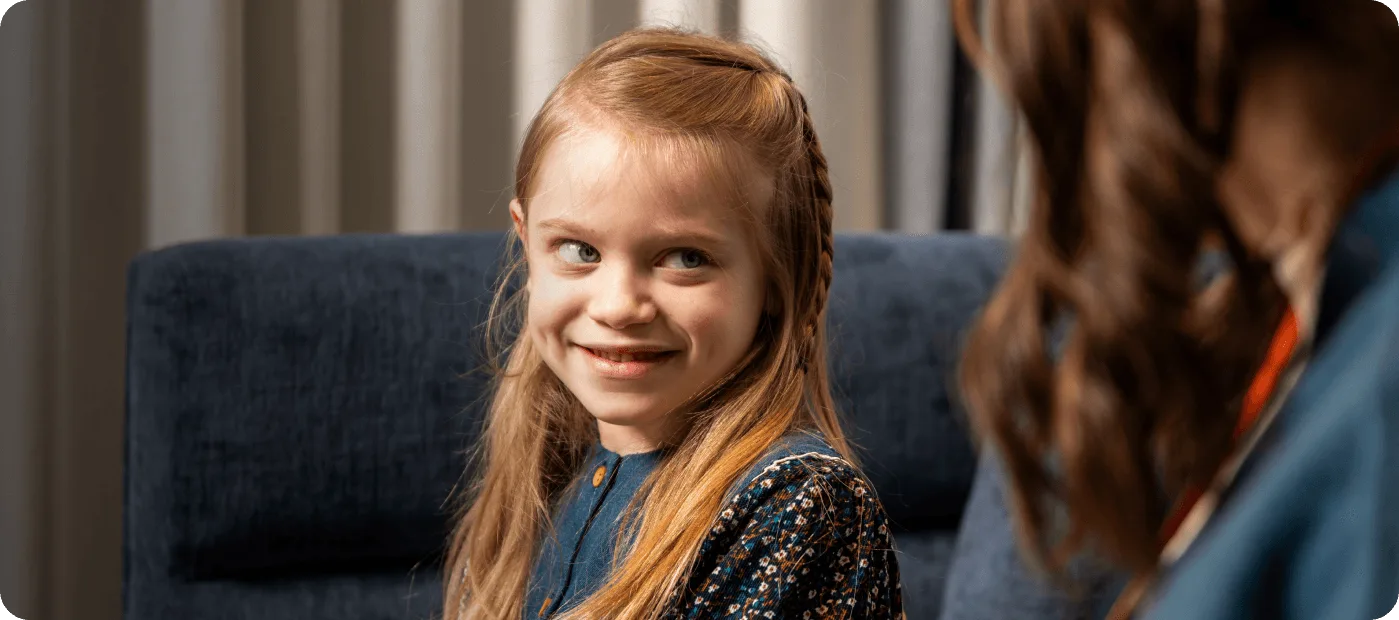
In this trailblazing NYS-certified program, mainstream children can get personalized emotional and behavioral health care on their own turf. CFTSS (Children and Family Treatment and Support Services) takes a preventative approach and addresses issues before they require intensive intervention.
For families who find it difficult to arrange traditional clinic-based therapy, this program offers tangible relief. It’s also a game changer for issues best addressed right where they occur. By working in the child's environment, practitioners can better understand the full picture and offer practical, real-time guidance and support.
When a child is selectively mute, has test anxiety, struggles with sibling conflict, or is dealing with any other social, emotional, or behavioral struggle, the tools they learn can be put to immediate use.
Who is eligible?
Participants must meet these criteria to apply for this service via Hamaspik of Kings County.
Live in Brooklyn
Age birth - 21
Have insurance coverage from Medicaid or Child Health Plus
Nischazek’s support services may include one or more of the following, as needed:
.webp)
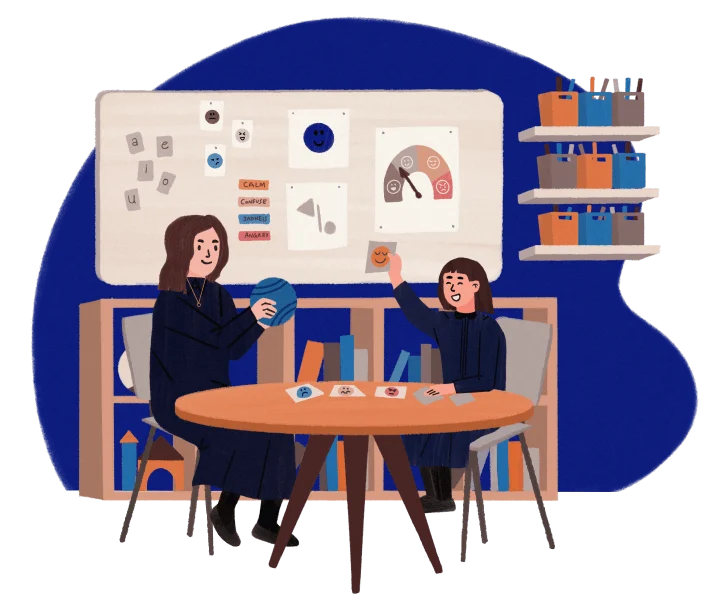

- Psychotherapy is provided by a licensed therapist in the child or teen’s home, school, or community setting of their choice. The therapist can also provide collateral sessions, with parental consent. This is incredibly helpful in getting support from family, school staff, and others in the child’s life.
- Mentorship, or CPST (Community Psychiatric Support and Treatment), offers support and works toward the goals set by the social worker or therapist. For example, if a child’s therapist is treating him for social anxiety, the mentor can continue working toward those goals using mediums like scrapbooking or journaling.
- Psychosocial rehabilitation is offered in cases where the child or teen needs support in reintegrating into society. For example, if they’re routinely skipping school, professional help from a mentor can effectively address what appears to be a hopeless situation.


Other things that are really good to know
- Sessions can take place during school hours, so there’s no need for complex logistics.
- The program is flexible and can meet various needs within a family. For example, if a parent is seeing a therapist, a mentor can be provided to support the child at the same time.
- Children don’t need to present with actual symptoms to be eligible. Environmental factors like the loss of a loved one or divorce can determine eligibility as well.
- It may be possible to get a mentor through CFTSS even if you already have a social worker from a different clinic.
- We’ve built a custom, comprehensive assessment system that includes both school and home-based evaluations so that parents get a complete picture of what’s going on.
- The program is supervised by Aaron Orlander, LCSW, and Rabbi Yoel Babad, LCSW, each of whom have decades of clinical experience.

Because in
some cases,
traditional
therapy is not
the answer
Like for Sara*, who struggles with panic attacks whenever she has a test at school. With the CFTSS integrative approach, the therapist can work with her at home, involving her parents, and offer her techniques to overcome her anxiety. They might work on study skills, such as how to break up the material into manageable chunks, and relaxation techniques to pull out when panic strikes. Sara’s mentor can practice these skills at home with her, and is also on hand at school on test day to offer moral support and help her apply her newly acquired skills in realtime.
Or Alex*, who had taken to bullying other children at school. Alex’s therapist observed the schoolyard interactions and worked with him to pinpoint what was triggering this behavior. He gave him tools to avoid getting irritated by other children. They worked on building Alex’s self-confidence and leadership skills, and practiced turning triggering incidents into opportunities for positive interactions.
The heart behind the service
Rabbi Yoel Babad
LCSW
“A provider who works for many other agencies shared that she’s never seen this being done in such a comprehensive, clinically sound manner.
Our number one goal is that the client receives the help they actually need."
Leiby Feder
LCSW
"People have been waiting for such a program for a long, long time. It’s a way to get help without the need to visit a clinic — and without needing to have a mental health diagnosis.”
.webp)
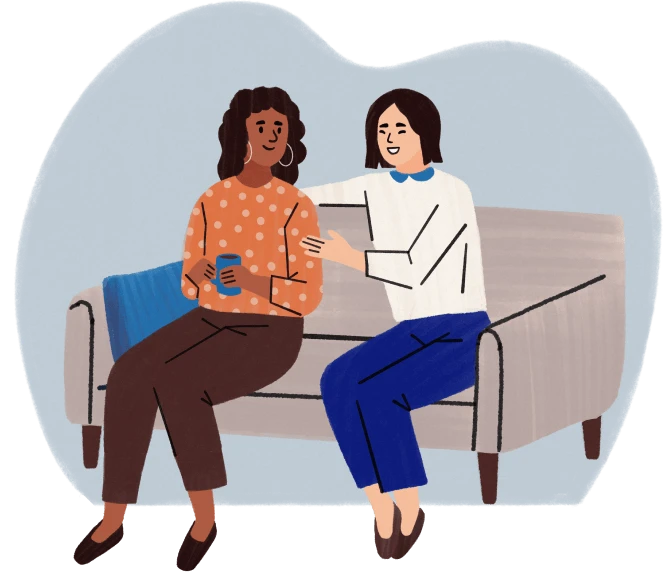
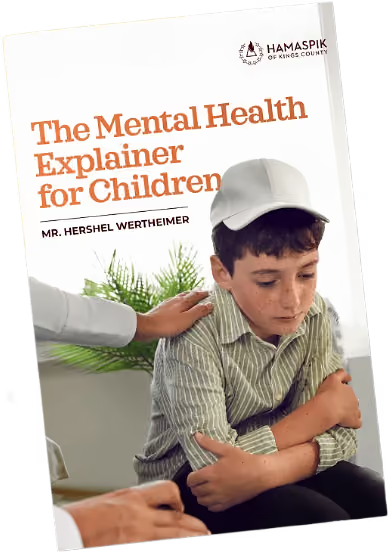
When a child can’t make sense of a loved one’s mental illness, fear fills in the blanks.
It can be overwhelming and confusing for a child to see a parent, sibling, or friend struggling with mental illness. This short guide gives you the language to explain what’s going on in a clear, age-appropriate way, so children feel safe and supported.
You’ll learn how to:
• Explain mental illness in simple, reassuring language
• Answer the tough questions your children may have (“Is it my fault?” “Why is he always so nervous?”)
• Give kids the tools to stay grounded even during tough moments