



The body can’t tell time.
While our thinking brain is aware of what happened in the past and what’s occurring in the present, our body blurs past and present. This is the source of the overwhelm and pain of the trauma-related disorder known as PTSD.
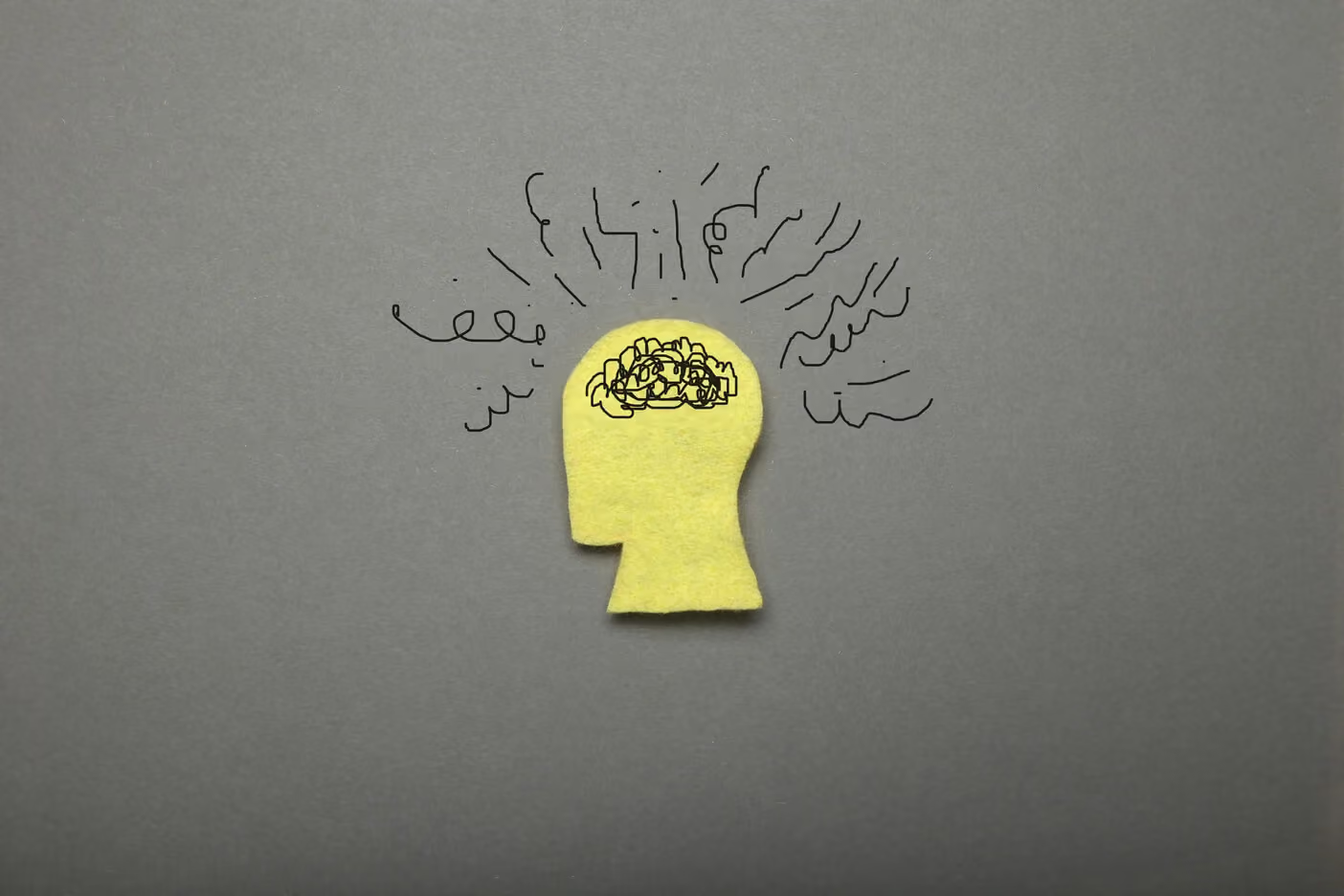
When a person experiences a traumatic or difficult experience that overwhelms their ability to cope, the memory of that event can become stuck in their mind.
The logic behind post-traumatic stress disorder
Usually, when a person experiences something new, their brain sorts the information. Anything unnecessary or extraneous will be discarded and forgotten, and anything that can be relevant later will be stored away in his memory for retrieval if the need arises. All of this happens subconsciously, without the person being aware of it.
For instance, when a child touches fire for the first time, they quickly learn that fire means heat, and this information is safely stored for future reference. However, such memories do not dominate their daily thoughtS. The conscious mind focuses on the present, while the brain stores less relevant information out of sight until needed.
Compare this to a computer, which has lots of information stored inside. You only see the files currently open and in use on the screen. When you don’t no longer need the file, you close it and store it out of sight.
The brain also processes and stores information by comparing it to previous experiences, making sense of new events based on familiar patterns.
But what happens when someone experiences something so profoundly shocking that the brain cannot integrate it with existing knowledge?
In such cases, the "file" containing that traumatic event might become corrupted and stored incorrectly, leading to intrusion into the person's conscious awareness.
Real-life examples of PTSD
For example, being in a terrible car accident can leave someone shaken and overwhelmed. If this trauma isn’t processed correctly, memories of the accident can invade his thoughts and dreams relentlessly. Long after the event, his body may be flooded with the terror he felt when it first occurred.
This continuous preoccupation can lead to avoidance behaviors, such as being unable to get into a car again or experiencing acute anxiety whenever he is in one. In some cases, these reactions may even extend to other aspects of the person’s life, causing additional symptoms like heightened anxiety.
This phenomenon is known as Post-Traumatic Stress Disorder (PTSD). PTSD, a trauma-related disorder, can affect anyone who has experienced or witnessed a traumatic event, especially if the experience was exceptionally distressing or life-threatening. It’s essential to recognize the signs of PTSD and seek support when needed.
How people remember trauma
There are several ways a person may remember the trauma they experienced.
1. Vivid and overwhelming memories
Some individuals remember the traumatic event in its entirety, with vivid details that haunt their thoughts. For instance, someone who witnessed common PTSD triggers such as the Twin Towers collapse may carry the weight of those memories, affecting their outlook on life.
The uncertainty of what the future holds can create a profound sense of insecurity, making it challenging to move forward.
2. Avoidance and suppression
Others may remember the traumatic experience but actively avoid thinking about it. For example, a person who witnessed a gruesome car accident may consciously block thoughts related to that day. He knows about it, and if asked about it, he can talk about how he was on the way to work when he suddenly saw it happen, but he doesn’t want to speak about it.
3. Fragmented memories
In some cases, individuals may experience fragmented or incomplete memories of the traumatic event or PTSD triggers. This can happen in people who have suffered from abuse.
They may not consciously recall the events, but demonstrate telling symptoms triggered by certain situations. An abused child, for instance, might struggle to accept authority and react strongly when approached by authority figures, even if specific memories of the abuse remain elusive.
As mentioned above, each of these people shows different symptoms of emotional trauma and can benefit from a different form of treatment.
Symptoms of post-traumatic stress disorder
Understanding the symptoms of emotional trauma and manifestations of Post-Traumatic Stress Disorder (PTSD) is crucial for recognizing its impact on individuals' lives. Below is a list of symptoms that those experiencing PTSD may encounter.
- Invasive thoughts: Individuals may experience relentless, unwelcome thoughts and memories of the traumatic event. This can be particularly evident in children, who might reenact aspects of the trauma during play as a coping mechanism.
- Nightmares: Recurring nightmares about the traumatic event are common, often disturbing sleep and contributing to daytime distress.
- Dissociative reactions: Flashbacks, or dissociative reactions, in which the individual feels like they are reliving the traumatic incident, can occur frequently. In severe cases, this may lead to disorientation about one's current location or activities.
- Psychological distress: Exposure to situations reminiscent of the trauma can provoke intense or prolonged psychological distress, significantly affecting the person's emotional state.
- Avoidance: There may be a conscious effort to avoid thoughts, feelings, or conversations related to the trauma, as well as places, people, or activities that may trigger memories of the event.
- Memory trouble: Some may be unable to recall crucial aspects of the traumatic event, which can be a defense mechanism of the mind.
- Concentration difficulties: PTSD can make it hard to focus on tasks, leading to problems at work, school, or daily activities.
- Sleep issues: Insomnia or other sleep disturbances are common, further impacting the individual's well-being and ability to function during the day.

Sometimes, these symptoms are also accompanied by a lowered sense of self, which can further isolate the individual and complicate the healing process. These include:
- Negative thoughts and beliefs: PTSD can cause pervasive negative thoughts about oneself, others, and the world, such as feelings of worthlessness, mistrust, and general danger.
- Self-blame: Misguided beliefs about the trauma may lead individuals to unjustly blame themselves, exacerbating feelings of guilt and shame.
- Persistent negativity: Constant feelings of fear, anger, guilt, or shame are common symptoms of emotional trauma and PTSD.
- Loss of Interest: There may be a noticeable disinterest in previously enjoyed activities or an inability to participate in significant life events.
- Isolation: Feelings of detachment or estrangement from others can lead to a profound sense of isolation.
- Anhedonia: The ability to feel positive emotions, such as joy, satisfaction, and enjoyment, is significantly diminished.
- Irritability: Those suffering from PTSD may have unexplained irritability or anger, leading to outbursts that are difficult to control.
- Risk-taking behavior: There might be a tendency towards reckless or self-destructive behavior, often as a means to cope with overwhelming emotions or to feel something other than numbness.
- Hypervigilance: They might feel a state of constant alertness and extreme caution, often in the absence of any real threat.
Taken together, these symptoms of emotional trauma and PTSD can deeply disrupt a person’s daily functioning, relationships, and overall sense of safety.
Prevalence
PTSD is quite common, as roughly 6.8% of U.S. adults will experience PTSD at some point. In countries that experience PTSD triggers of war or terror, rates climb to around 11%.
Professions exposed to high levels of stress, trauma, and PTSD triggers, including military personnel, police officers, and firefighters, are notably more susceptible to PTSD. But while we often think of PTSD in connection with soldiers returning from war, it’s important to remember that common PTSD triggers are an abusive or unsafe home environment.
Post-traumatic stress disorder can develop at any age, starting as young as one year old. The symptoms typically emerge three months post-trauma, though sometimes they may take years, or even decades, to appear.
Women face a higher risk of developing PTSD compared to men, with prevalence rates between 8% to 11% and 4.1% to 5.4%, respectively. Additionally, those with PTSD often battle co-occurring mental health issues such as depression, anxiety, and addictions.
Acute stress disorder vs PTSD
While Post-Traumatic Stress Disorder (PTSD) is more widely recognized, it’s important to understand the distinction between PTSD vs Acute Stress Disorder (ASD). Both are trauma-related disorders that can emerge after a distressing or life-threatening event, but they differ in timing, duration, and clinical criteria.
Acute Stress Disorder occurs in the immediate aftermath of trauma, typically within three days to four weeks of the event. People with ASD may experience symptoms similar to PTSD, such as intrusive thoughts, dissociation, heightened anxiety, and avoidance behaviors. However, if these symptoms persist beyond a month, the diagnosis may shift to PTSD.
PTSD, on the other hand, involves symptoms that last longer than a month and may not appear until weeks, months, or even years after the trauma. While ASD can be a precursor to PTSD, not everyone who experiences acute stress goes on to develop post-traumatic stress disorder.
Recognizing the early signs of ASD offers an opportunity for early intervention, which can reduce the risk of long-term trauma-related effects and support recovery before symptoms evolve into PTSD.

Treatment
Treating Post-Traumatic Stress Disorder (PTSD) involves a holistic approach that may combine therapy, medication, and support mechanisms to facilitate recovery and resilience.
Central to PTSD treatment is therapy, which provides a safe space for individuals to confront and reprocess traumatic memories, thereby reducing their emotional impact and disruption to daily life.
- Cognitive Behavioral Therapy (CBT) is a crucial therapeutic tool that focuses on altering negative thought patterns related to trauma.
- Eye Movement Desensitization and Reprocessing (EMDR) offers another effective avenue, using directed eye movements to help the brain reprocess traumatic memories in a healthier way.
- Prolonged Exposure Therapy (PE) encourages individuals to face and gain control over their trauma-related fears.
In some cases, medications, particularly SSRIs, may be used to help manage symptoms such as anxiety and depression, complementing the therapeutic process.
Support groups and mindfulness practices like meditation and yoga also contribute to a comprehensive treatment plan, offering emotional support and stress management techniques.
This integrated treatment approach aims to empower those with PTSD to regain control over their lives, providing the tools and support necessary for healing and long-term recovery.
Wrapping up
Post-Traumatic Stress Disorder is more than just a mental health diagnosis—it’s a reflection of how deeply trauma can affect every part of a person’s life, from memory and mood to sleep and sense of safety. But with early recognition, compassionate support, and the right combination of therapies, healing is absolutely possible.
If you or someone you love is struggling with the effects of trauma, reach out. The first step to healing is knowing that you don’t have to face it in silence.