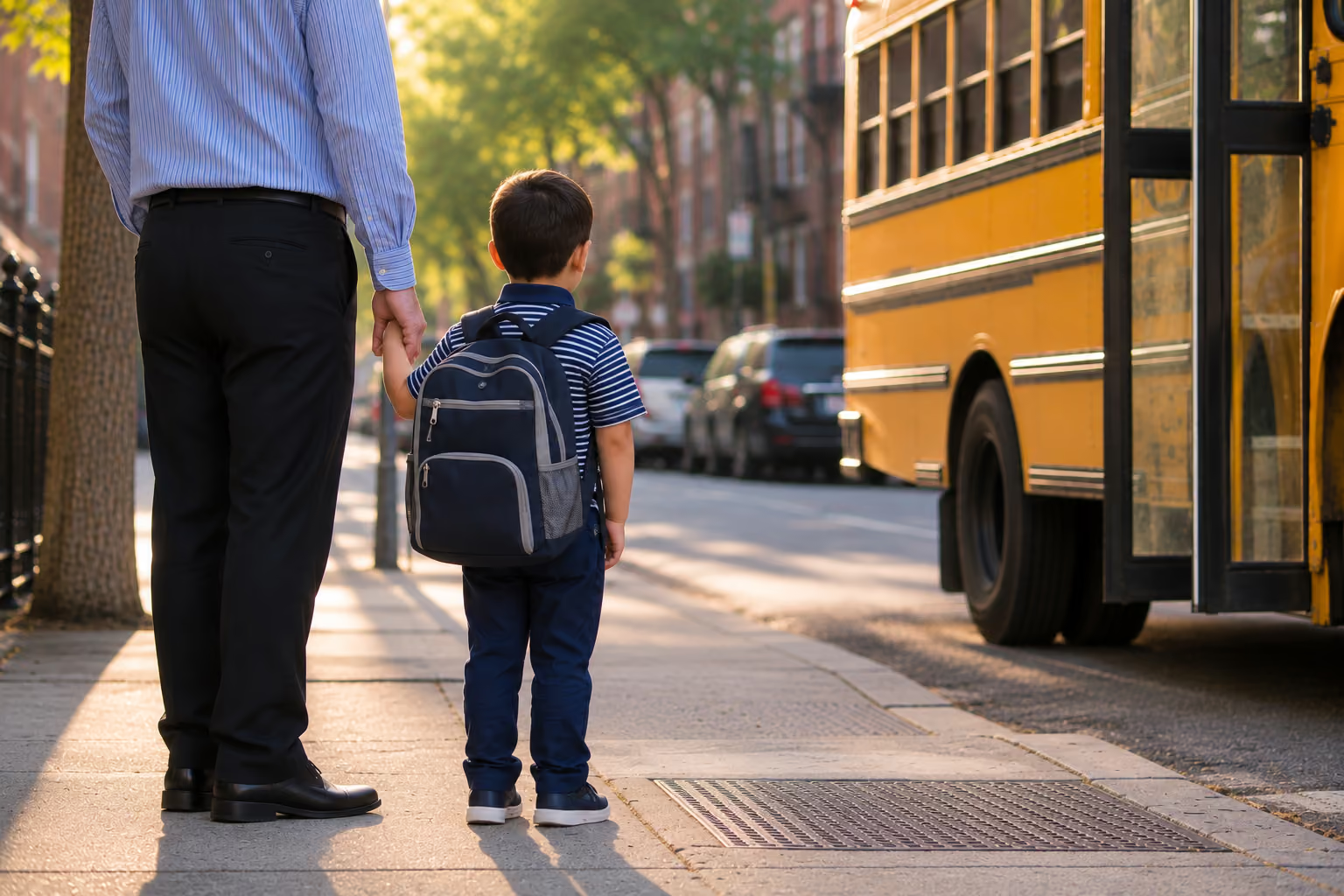



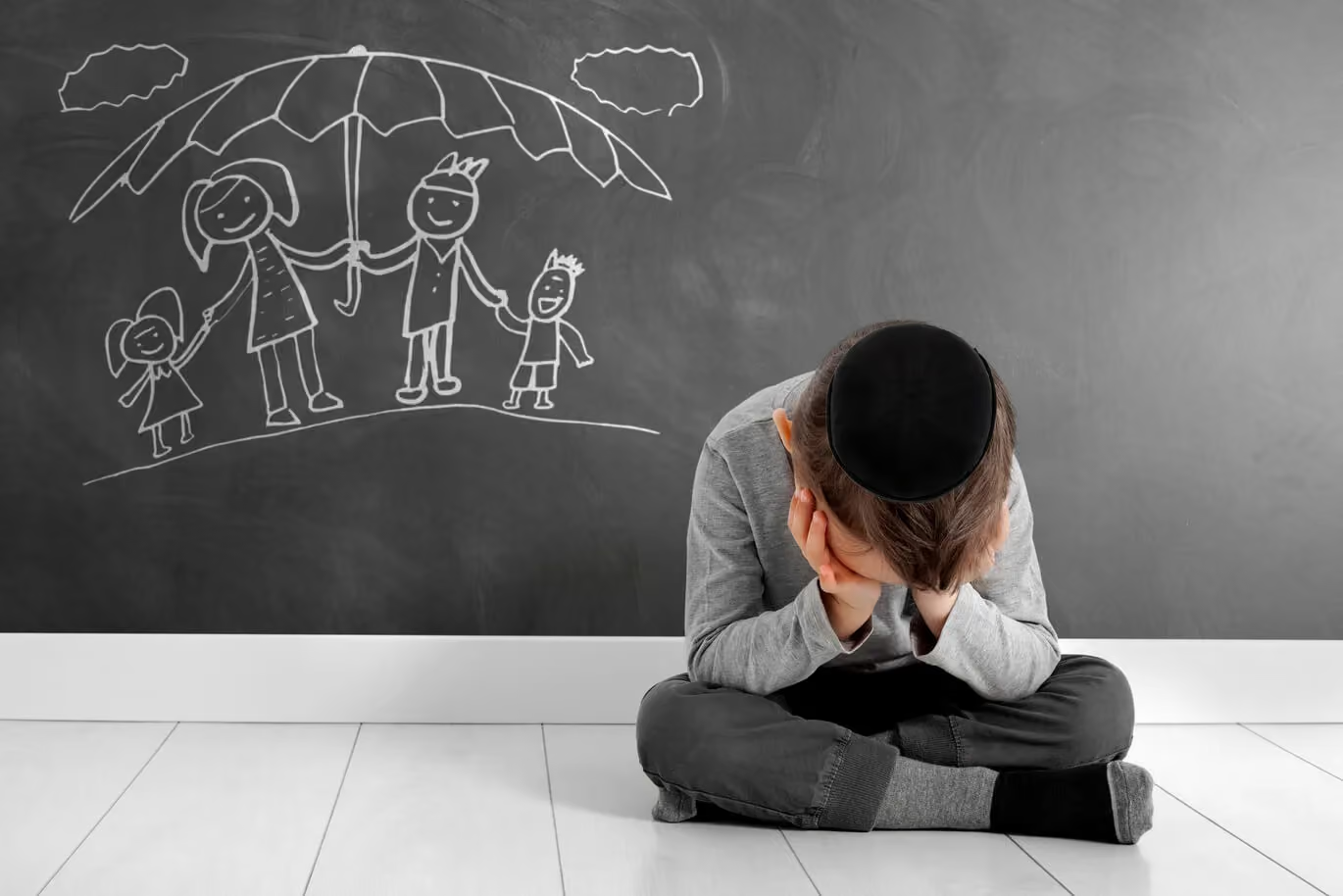
It’s little Zevy’s first day of preschool. Accompanied by his mother, he enters a large room filled with shelves of toys, miniature tables and chairs, and brightly-colored posters.
The other children are looking around; the braver ones are already settling themselves with building blocks or Lego. But Zevy hangs back, holding tight to his mother’s hand.
Five minutes pass, then ten. The other mothers are leaving, waving cheery goodbyes to their children. Several children cry when they watch their mothers leave, but most stop within moments.
Not Zevy. As his mother turns to leave — after a full half hour — he throws himself on the floor and wails. He cries for a full hour after she leaves. And this scene repeats itself for an entire week.
Zevy has separation anxiety.
Symptoms of separation anxiety
Separation anxiety disorder is one of the anxiety disorders. It is characterized by excessive fear or anxiety about separation from home or attachment figures, which is disproportionate to what would be expected from someone of that age. To be diagnosed with separation anxiety, an individual must exhibit at least three of the following symptoms:
- Persistent and strong distress when anticipating or experiencing separation from home or significant caregivers.
- Persistent worry about losing an attachment figure or fearing that something terrible will happen to them, such as illness or death.
- Constant fear of events that could lead to separation from caregivers, such as being lost, kidnapped, involved in an accident, or falling ill.
- Reluctance or refusal to go out, such as to school or work, due to fear of separation.
- Anxiety when alone or without significant attachment figures at home and in other settings.
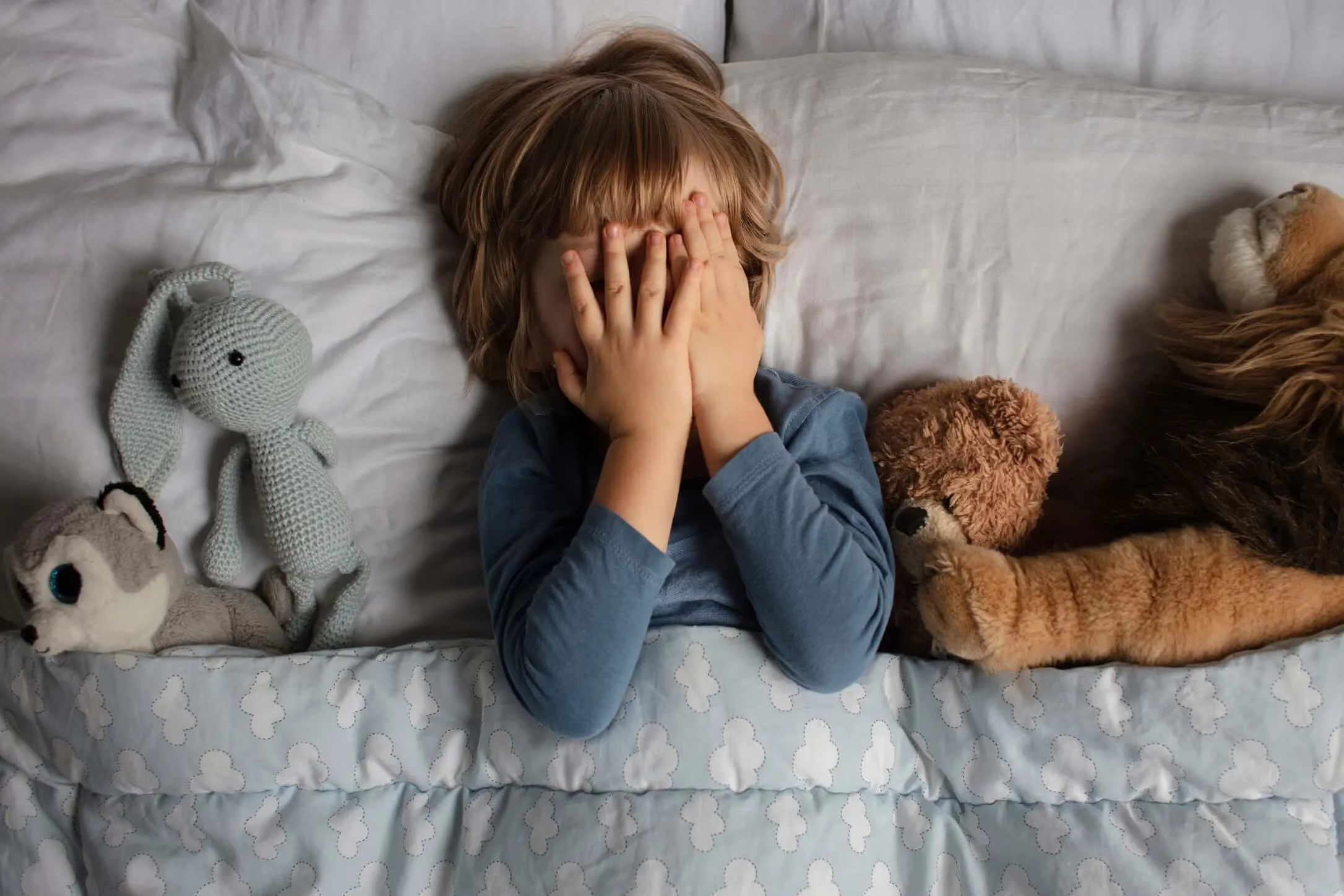
- Significant difficulty sleeping away from home or falling asleep without being near a primary caregiver.
- Frequent nightmares involving themes of separation.
- Recurrent physical symptoms, such as headaches, stomachaches, dizziness, or nausea when separation from key relatives is anticipated or occurs.
For a diagnosis of SAD, these fears and anxiety when alone must persist for at least four weeks in children and adolescents and for six months or more in adults.
Prevalence and roots
Separation anxiety is the most common anxiety disorder among children under 12 years, with an estimated 4% affected. Separation anxiety in toddlers is especially common, as this is a critical age for forming secure attachments.
This prevalence decreases in adolescence, affecting approximately 1.6% of teens. In adults, the occurrence of separation anxiety ranges from 0.9–1.9%.
Separation anxiety frequently stems from episodes of actual or perceived separation from primary caregivers, leading to significant distress. For instance, if a child wakes up to find their parents not around, that can significantly contribute to the development of separation anxiety if the child experiences extreme distress during these episodes
Such instances, particularly if they occur frequently or aren’t addressed empathetically by caregivers, can embed a deep-seated fear of separation and induce feelings of anxiety when alone.
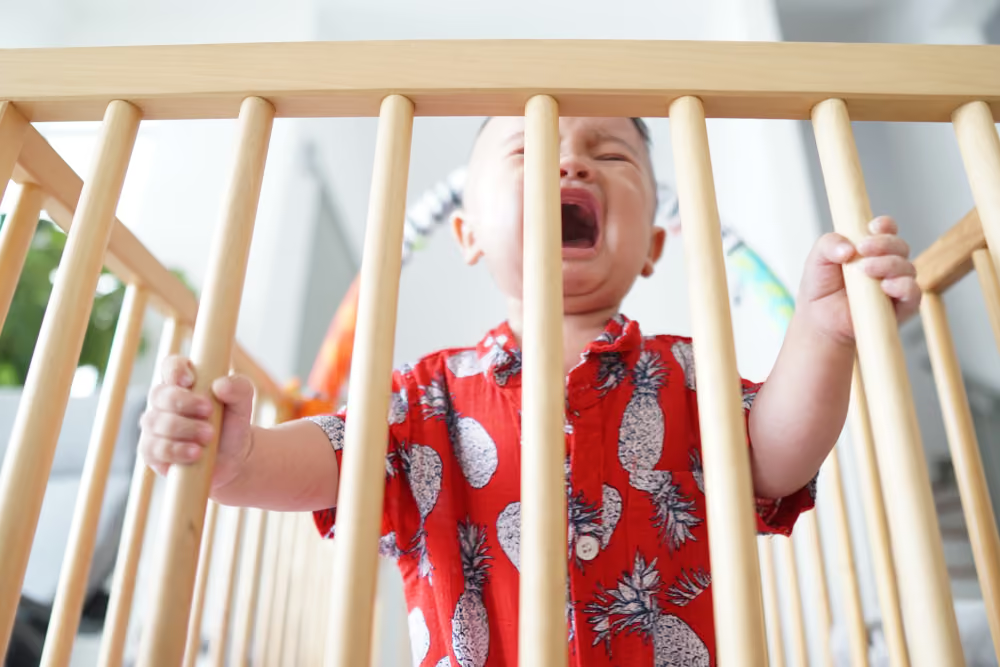
Individual susceptibility to separation anxiety can be influenced by several factors, including a child’s personality, attachment patterns, and experiences with loss or significant transitions.
Environmental factors, such as parenting styles that may lean towards being overly protective or significant life changes (e.g., moving, changing schools, loss of a family member), can amplify or precipitate the symptoms of separation anxiety.
How to ease separation anxiety
If you're wondering how to deal with separation anxiety, the good news is that several effective treatments are available. Treatment for separation anxiety typically encompasses a comprehensive approach.
Cognitive Behavioral Therapy (CBT) is one of the most common ways to treat separation anxiety, aimed at identifying and restructuring maladaptive thoughts about separation and implementing gradual exposure to separation in a manageable and supportive way. This method helps reduce anxiety and foster adaptive coping skills.
Another common method used to treat separation anxiety, play therapy, is particularly effective for younger children. It provides a safe and engaging environment for children to express emotions and fears through play.
This indirect form of expression allows therapists to gain insight into the child’s inner emotional world and develop interventions specifically tailored to the child’s needs. Play therapy is especially effective when addressing separation anxiety in toddlers, offering age-appropriate methods for emotional expression.
Family therapy can also be very helpful, as it addresses the family system as a whole. This approach helps modify any family dynamics that might be contributing to the child's anxiety, strengthens the child-caregiver relationship, and equips family members with strategies to support the child's sense of security and independence.
Wrapping up
These therapeutic interventions offer a multi-dimensional treatment plan that addresses the emotional, cognitive, and behavioral facets of separation anxiety. The overarching goal is to alleviate symptoms, enhance independence, and improve the quality of life for those dealing with separation anxiety.
If you’re looking for expert guidance on how to deal with separation anxiety, Hamaspik is here to help. Contact us today to learn more about personalized support and proven strategies for your child’s success.