
汉堡菜单图标菜单关闭图标
特殊需求

Social Scripts for Kids at Family Gatherings

layer 41

Family gatherings run on a set of invisible rules: smile when handed a gift, hug the grandparents, compliment the food, tolerate noise and chaos, answer questions, act “normal.”

For many kids with developmental differences, these expectations are unrealistic — they may simply be incapable of doing all that’s expected, and without preparation, they’re facing moments of failure, shame or overwhelm.

Give your child a handful of ready-to-use responses to help them have the confidence to face extended family, and the ability to feel safe and contained at overwhelming holiday parties.

Here are six responses your child can keep in their back pocket (literally, with our Cue Cards download!) for difficult moments. 

First, a quick note: Feel free to shorten or adjust these phrases.

A child who communicates with 1–3 words, gestures, or a device can use a pared-down version. What matters is giving them language they can grab in a stressful moment – and the security that comes with being prepared.

Holiday Party Cue Cards Cover
Want these suggested phrases in cue cards you can use to practice, or your child can use in the moment?
Print the Cue Cards download!
Download →

Six Messages for Tough Moments

THE TOUGH MOMENT: Your child gets a gift they don’t like.

Maybe it’s not appealing, overstimulating, or too babyish, and they freeze or want to lash out.

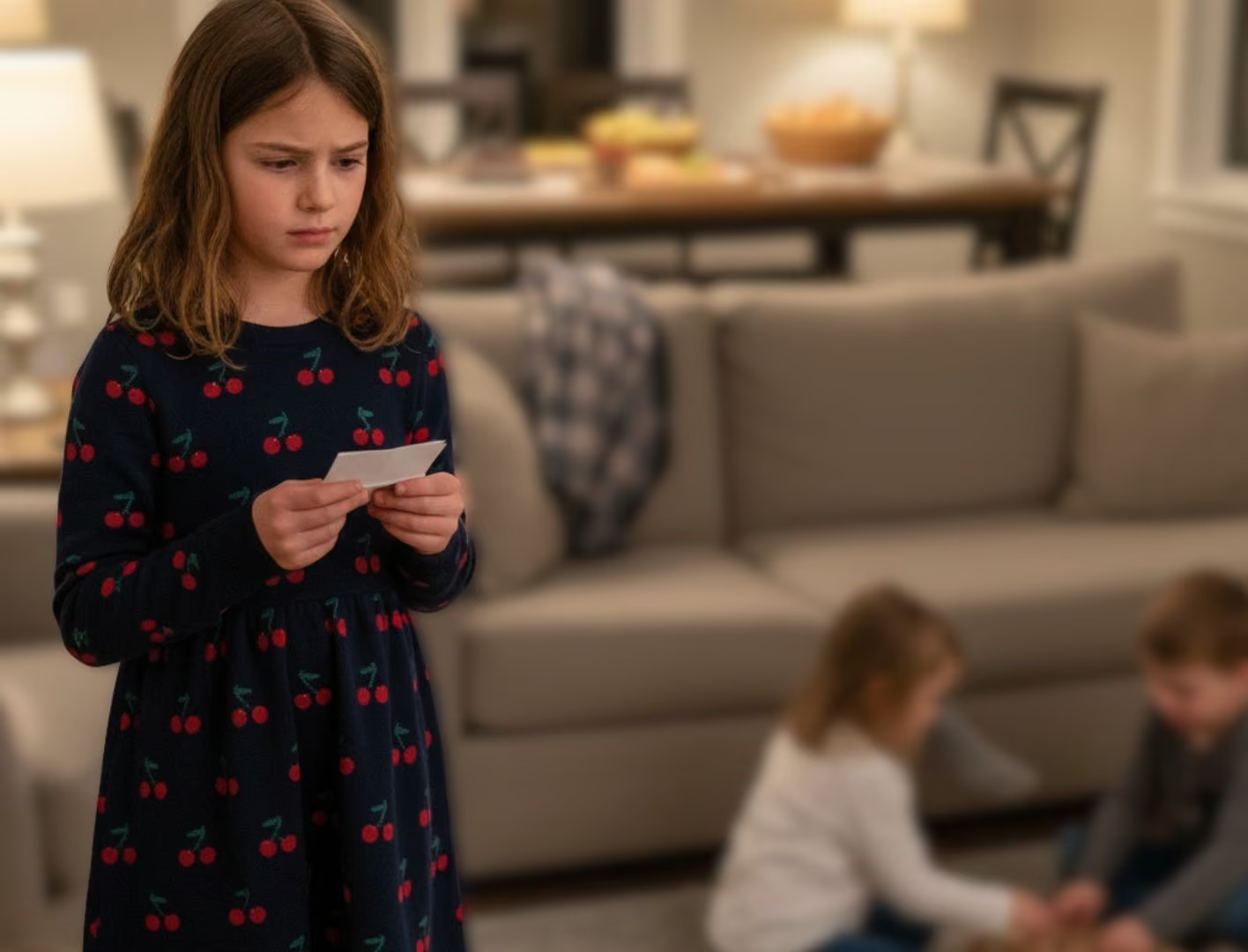
The Message: “Thank you! I’m saving this for later.”

Why it works: It expresses gratitude without forcing them to fake excitement. It ends the moment quickly and politely, and shuts down the pressure to “try it now!”

THE TOUGH MOMENT: Someone tries to give them a hug they don’t want.

This happens constantly, with relatives rushing in with arms open, sure that holiday hugs are a given.

The Message: “I don’t do hugs, but a high five or a wave would be good.”

Why it works: It sets a clear boundary and offers an easy alternative. It eases the guilt, avoids conflict, and protects your child from uncomfortable, forced affection.

THE TOUGH MOMENT: The the room gets too loud or overwhelming

Holiday parties get loud fast. The sensory overload can exhaust a kid’s nervous system – fast. 

The Message: “I’m taking a quiet break.” (Have a plan for them: headphones, a quiet corner, a book to read, etc.)

Why it works: It gives your child the ability to step out when they need to and communicate it confidently.

THE TOUGH MOMENT: Someone comments on their unique food choices or pushes them to try something they don’t want.

“Why aren’t you eating that?” or “Just try a bite!” are classics that can put your kid on the spot.

The Message: “This is the food that works for me today.”

Why it works: it gives you child agency to own their choices without getting pulled into a power struggle. It also reframes the moment from “picky eater” to personal needs, which ends the conversation quickly and respectfully.

THE TOUGH MOMENT: Someone comments on, or asks about their wheelchair, device, brace, or equipment.

Kids feel the stares. They also see adults whisper about them across the room.

The Message: “This helps me do what I want to do,” or “This helps my body work better."

Why it works: It’s short, clear, and dignified, and doesn’t invite follow-up questions. Your child isn’t forced into storytelling, answering intrusive questions, or explaining their diagnosis to a distant cousin.

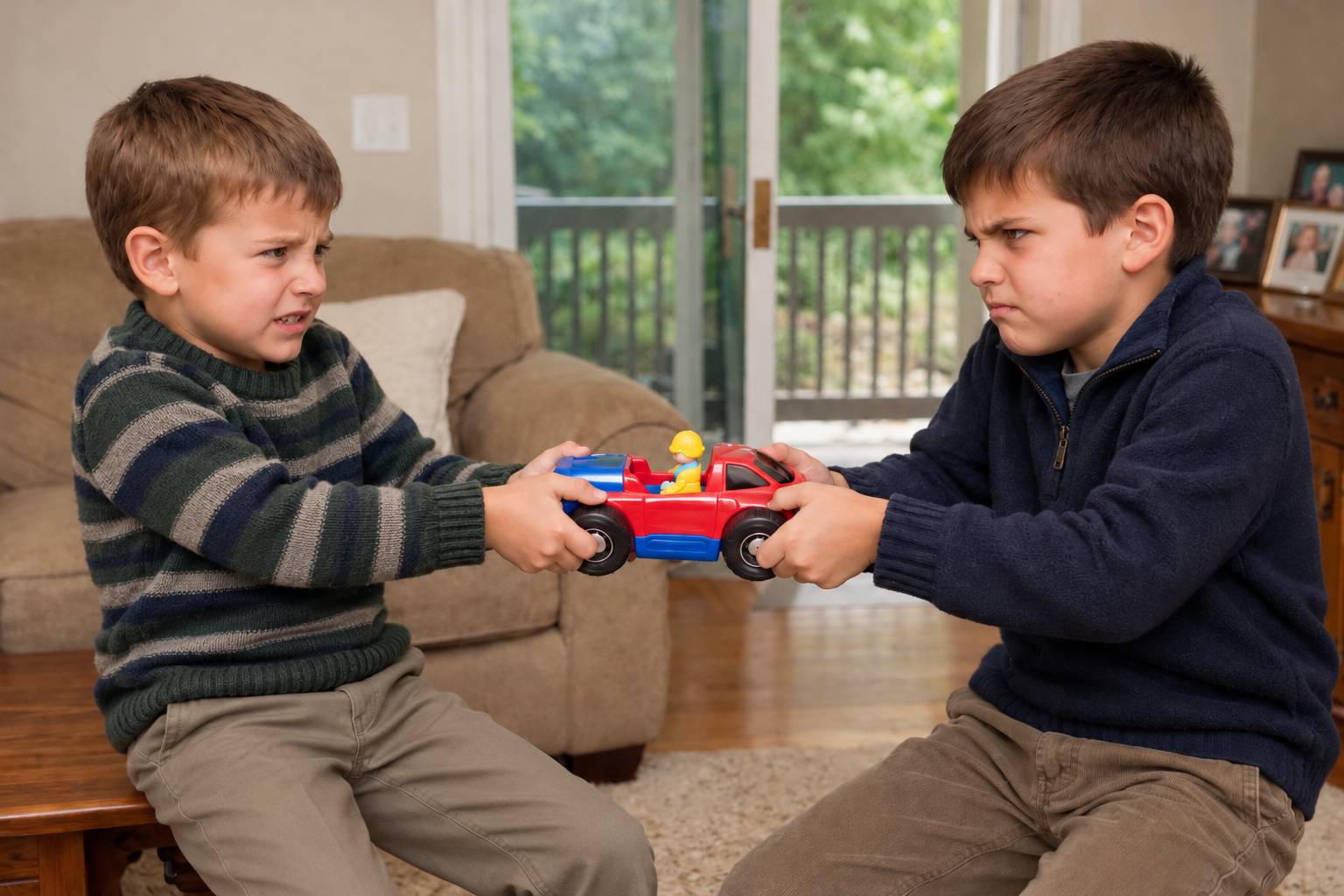
THE TOUGH MOMENT: Another child says something hurtful like “You’re weird” or “Why are you like this?”

No one prepares kids for moments like these — and they sting.

Try: “I just do things a little differently.”

Why it works: It’s calm and confident, drains the power from the insult, and models a level of self-acceptance many adults are still learning.

Help These Scripts Stick

Scripts often fail not because kids are unwilling to use them, but because the stress the child experiences in the moment shuts down access to language.

Imagining these scenarios ahead of time — and practicing how to respond — can help your child walk into a gathering feeling confident and prepared. Talk through specific examples. Instead of “Someone might hug you,” try, “Aunt Sara comes in for a hug. What do you say?”

You can also print the Cue Cards for the child who wants to hold a physical reminder, and use them to review.

A little bit of preparation can help your child to feel equipped to walk into a situation that usually feels scary, unpredictable, or overwhelming, and knowing they have words ready when they need them most.

layer 36
asset 31
layer 37
asset 32
layer 38
asset 33
layer 36
asset 31
layer 37
asset 32
layer 38
asset 33
layer 36
asset 31
layer 37
asset 32
layer 38
asset 33
layer 37
asset 32
layer 38
asset 33
layer 38
asset 32

听觉灵敏度

我的孩子对大声的声音很敏感
(例如,警报器、吸尘器)。

我的孩子会寻找特定的声音或音乐类型,听它们时会显得更加平静。

触觉灵敏度

我的孩子对衣服上的某些面料或标签感到刺激。

我的孩子似乎对通常很痛苦的感觉或对极端温度漠不关心。

视觉灵敏度

我的孩子对明亮或闪烁的灯光很敏感。

我的孩子倾向于避免眼神交流。

味觉/气味敏感度

我的孩子经常喜欢平淡的食物,拒绝口味或香料浓烈的食物。

我的孩子会寻找强烈或不寻常的气味,例如嗅探食物或物体。

本体感受灵敏度

我的孩子更喜欢紧紧的拥抱或被包裹在毯子里。

我的孩子不知道太空中的身体位置(例如,经常碰到东西)。

社交敏感度

我的孩子在拥挤的空间里变得焦虑或痛苦。

我的孩子对攀岩或平衡活动(例如丛林体育馆、跷跷板)犹豫不决或不愿意。

运动灵敏度

我的孩子不喜欢快速或旋转的动作

前庭敏感度

我的孩子在拥挤的空间里变得焦虑或痛苦。

我的孩子对攀岩或平衡活动(例如丛林体育馆、跷跷板)犹豫不决或不愿意。

Please answer all questions before submitting.

Your Child’s Score is

  • 0-15

    感官灵敏度低

  • 16-30

    中等感官敏感度

  • 31-45

    感官灵敏度高

  • 46-60

    非常高的感官灵敏度

0-15:感官敏感度低

  • 口译: 你的孩子表现出低水平的感官敏感度,通常处于典型的发育范围内。
  • 推荐: 通常不令人担忧。如果您有特定的担忧或发现行为突然改变,请咨询医疗保健专业人员进行全面评估。
  • 0-15

    感官灵敏度低

  • 16-30

    中等感官敏感度

  • 31-45

    感官灵敏度高

  • 46-60

    非常高的感官灵敏度

16-30:中等感官敏感度

  • 口译: 你的孩子表现出中等的感官敏感度,这可能需要干预。
  • 推荐:考虑感官友好型活动、感官敏感玩具或感官敏感衣物,例如降噪耳机和加重毛毯,以提高舒适度。如果症状持续存在,请咨询医疗保健专业人员。
  • 0-15

    感官灵敏度低

  • 16-30

    中等感官敏感度

  • 31-45

    感官灵敏度高

  • 46-60

    非常高的感官灵敏度

31-45:高感官灵敏度

  • 口译: 你的孩子的感官敏感度高于平均水平,可能会干扰日常功能。
  • 推荐: 寻求医疗保健专业人员的详细评估,以了解感官整合疗法的选择和潜在的环境变化。
  • 0-15

    感官灵敏度低

  • 16-30

    中等感官敏感度

  • 31-45

    感官灵敏度高

  • 46-60

    非常高的感官灵敏度

46-60:非常高的感官灵敏度

  • 口译: 你的孩子表现出很高的感官敏感度,可能会严重干扰日常生活。
  • 推荐:如果你的孩子表现出这种感官敏感度,强烈建议你咨询医疗保健专业人员进行多学科评估。您可能会被引导到早期干预计划和专业支持。

Social Scripts for Kids at Family Gatherings

Pathways to Potential Part 5

Recognizing CVI: Ten Characteristics

Understanding CVI

Sight Unseen

Inclusion Without Overwhelm

To Tell or Not to Tell

Rose Colored Glasses

夏天的秘密技能

识别自闭症的早期迹象

来自上方的拥抱

为有特殊需要的孩子准备智能简便的夏令营

通往潜力的途径第 4 部分

光谱的颜色

有特殊需要的孩子一起郊游的基本指南

通往潜力的途径第 3 部分

如何获得 OPWDD 批准?

室内冬季感官探险

定义 IDD 级别和严重性

智障人士的生活技能

Sensory-Smart 礼物指南

脊柱裂:早期干预

没什么好隐瞒的

通往潜在之路第 2 部分

Yom Tov 过渡变得简单

纽约市最畅玩的冒险之旅

Yom Tov 育儿生存指南

了解 OPWDD 资格:你需要知道的

直接支持专业人员如何提高生活质量

什么是Com Hab,它如何提供个性化支持?

临时护理对有特殊需要的孩子的家庭的6大好处

对开学第一天的鼓励

什么是脊柱裂?概述

我在荷兰的生活

促进缺碘症患儿的独立性

了解 IDD

什么是癫痫?

定义阅读障碍的症状

通往潜在之路第 1 部分

了解唐氏综合症

唐氏综合症的早期干预

我们的过山车之旅

了解脑瘫

了解自闭症

自闭症支持

感官处理灵敏度测试

解码诊断测试

儿童成长清单

增强情商

管理恐慌发作

了解社交焦虑症

面对童年创伤

如何支持患有焦虑症的家庭成员

了解分离焦虑 |

了解创伤后应激障碍(PTSD)

精神障碍预防

对抗老年人的抑郁症

了解抑郁症

了解焦虑

成人注意力缺陷多动障碍行动计划

焦虑儿童的睡眠策略

Recognizing CVI: Ten Characteristics

Understanding CVI

Sight Unseen

To Tell or Not to Tell

Rose Colored Glasses

识别自闭症的早期迹象

脊柱裂:早期干预

食物过敏儿童家长烹饪指南

唐氏综合症的早期干预

了解语音和语言发展

焦虑儿童的睡眠策略

感官处理灵敏度测试

喂你的挑食者

简单的感官活动

解码诊断测试

儿童成长清单

类别

未找到任何物品。
未找到任何物品。
未找到任何物品。