


The table is set with grandmother’s china. The sukkah decorations twinkle.
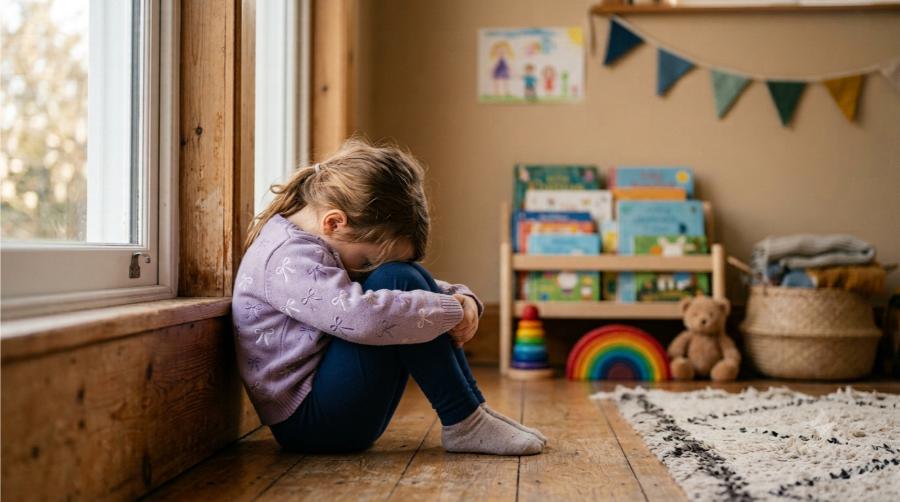
And your child with special needs is having a meltdown.
Your extended family is staring while you wonder if you should have just stayed home.
If this scene feels familiar, you're not alone.
Yom tov presents so many opportunities for creating memories, family bonding, and imparting values and minhagim. But for families of children with special needs, those same moments often bring stress and tension.
There's the pull between wanting your child to be part of these meaningful traditions and the knowledge that loud meals, crowded trips, late bedtimes, and unfamiliar foods can spell disaster.
Intentions Aren’t Enough
Here's what many parents discover: good intentions aren't enough.
You want to include your child, but without clear boundaries — and the strategies to back them up — those intentions can quickly lead to overwhelmed children, exhausted families, and frustration all around.
When inclusion isn’t supported with clear boundaries, and the experience fails, it’s more than just disappointing. It can create negative associations that last for years. And it can take a toll on family members, leaving them exhausted and resentful. Still, it’s easy to fall into the trap of thinking “just this once,” or “this time will be different,” even when it goes against your better judgment.
What’s the Goal?
Inclusion doesn’t have to be about physical presence, it’s any opportunity for your child to meaningfully connect with family or Yom Tov experiences.
Inclusion means:
- Your child feels welcome and valued, not merely tolerated
- They can participate in Yom Tov traditions in ways that honor their unique needs
- The entire family experiences a sense of connection
When you know the goal, you can create strategies to reach them.
Strategies for Yom Tov Outings: Attending Seudos, Shul, or Being a Guest
When it comes to taking your child to an unfamiliar place, there are a number of things you can put in place to ease him into the experience. Your unique family dynamics and child’s specific needs will dictate which of these strategies will work for you.
Getting Ready
- Build Familiarity: Create a picture story showing the places you’ll be, or events that will happen. Talk about what will happen and how your child can cope. Include details like, "We'll sit at a big table with lots of people," or “There will be dancing and it may be a little squishy,” and "If it gets too loud, you can use your earplugs." Review it a few times together.
- Gear Up: Bring a sensory kit – fidget toy, comfort item, plus a surprise like a new stuffed animal.
- Plan Ahead: Have an exit strategy ready, including who will leave with your child, where you'll go, and what you'll tell the hosts. Having this conversation ahead of time avoids suboptimal in-the-moment decision-making.
While You’re Out
- Set the Tone: As a guest, set expectations upfront – “She might not stay at the table,” “He gets overwhelmed and will hide behind the couch” – to reduce surprise and judgment when the moment hits.
- Find Quiet Spaces: Scout out quiet zones as soon as you arrive. It may be a bedroom where your child can decompress or a calm hallway away from the crowd. Just knowing these spaces exist can lower everyone's stress level.
- Take Turns: Use tag-team parenting, or bring along a support partner – a volunteer, niece, or older child. Decide ahead of time who will be "on duty" when, so one of you can be fully present for your child while the other takes a break or manages other children.
Back at Home
- Wind Down: Acknowledge upfront that your child (and you!) may need recovery time after intense or new situations. Plan low-key activities, ready-to-go snacks, or time for pajamas and snuggles.
The Three Lens Check
Unsure about going away, partaking in an event, or attending shul? Try the three-lens check:
Will saying “yes” work well…
- For my child?
- For my family?
- For me as a parent?
If two out of three answers are no, it may be time to reconsider or adjust how you partake.
Participation at Home
Familiarize and Simplify
- Build Comfort: Reduce the newness by letting your child get familiar with what’s ahead by playing in the sukkah or trying on new clothing before Yom Tov.
- Shorten and Simplify: Skip the long, late seudah. Create a 10-15 minute version with the parts that matter most, in the space your child finds easiest, at the time of day she does best. Serving apples and honey before the meal might be enough.
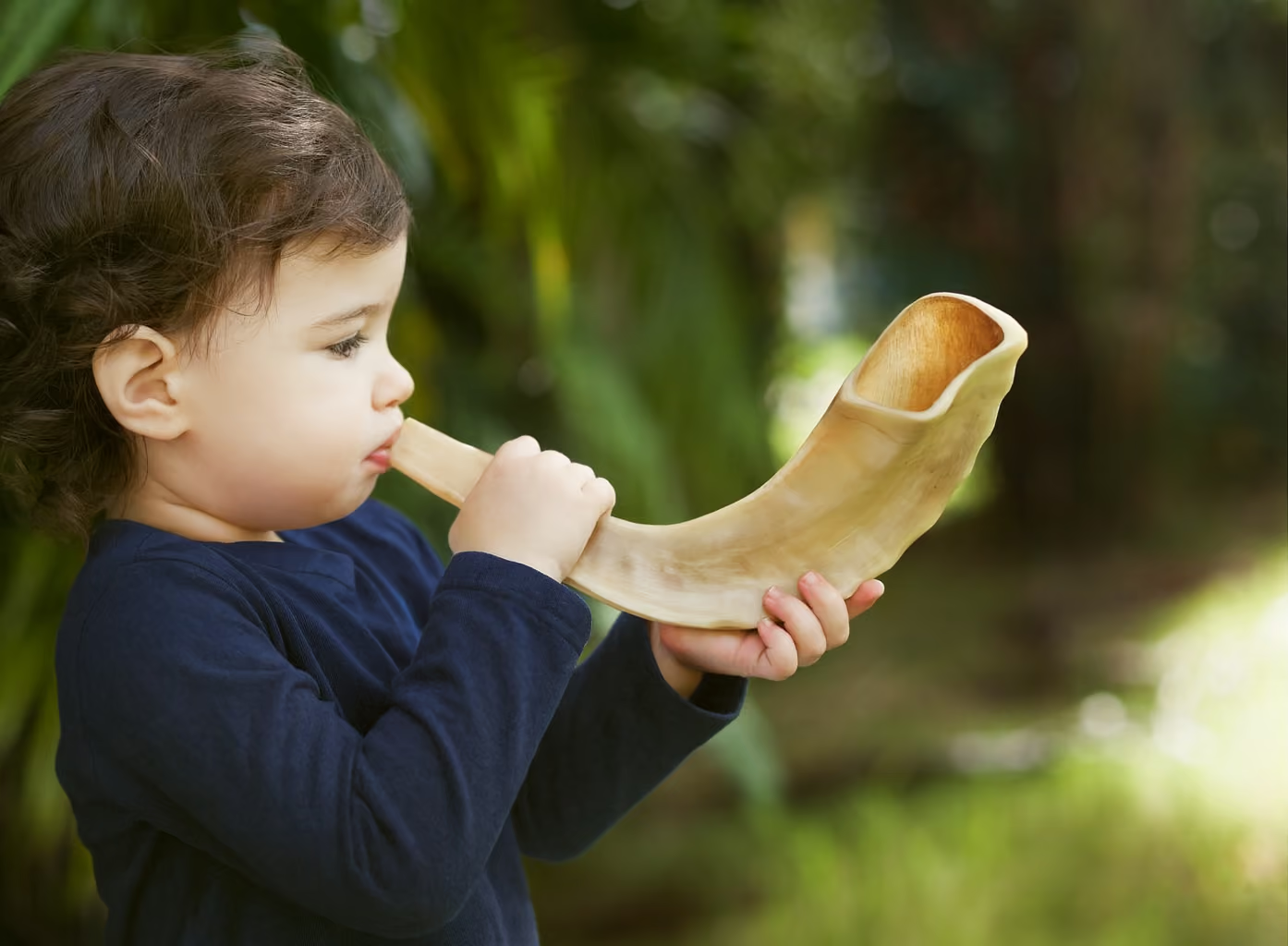
- Bring the Spirit Home: If shul is too overwhelming, recreate the spirit at home with a family shofar blowing, mock hakafos with dancing and singing, and special treats.
Adapt and Include
- Join for Part: Have your child join for just one meaningful segment of an experience – just the simanim at the meal, ten minutes in shul, or meeting the family for the walk home, rather than struggling through the entire event.
- Give a Role: Help your child feel included by assigning a simple, success-oriented job like handing out apple slices, choosing a song, planning the placement of a sukkah decoration or hanging it, or holding the Simchas Torah flag.
Reframe Success
Instead of focusing on what your child couldn't do or didn't participate in, focus on and celebrate what they did manage. If they felt included, and your family felt connected – that’s success.
This shift in perspective can transform not only your Yom Tov experience but your child’s as well. Children often have a heightened awareness of disappointment and failure. By highlighting even small successes, you build positive associations with the Yamim Tovim that can strengthen over time.
Leave Space for Grief
At the same time, allow space for grief. It may suddenly arise over Yom Tov, particularly if your child can’t participate in the ways you’d hoped.
It's okay to feel sad that your child struggles with things that seem effortless for others. It's normal to mourn the Yom Tov moments you imagined but can't have, the experiences you longed to share with your child but couldn’t.
Acknowledge those feelings with compassion. Let them rise and pass, so you can return, more present and more patient, for the moments of connection that do unfold.
Building Lasting Joy
The most profound memories often come not from perfect execution but from moments of genuine connection. Your child might not hear the shofar in shul, but they'll sense – and remember – feeling safe, valued, and included in their family's Yom Tov.
Choosing wisely and including thoughtfully does more than make Yom Tov easier. It lays the foundation for years of meaningful celebrations. You're teaching your child that they belong, exactly as they are, in the beautiful complexity of Jewish life.
Some years will be easier, others harder. Some moments will turn out better than you hoped, while others will require you to let go of a dream.
But the goal was never simply to have them “join in.” It’s about giving over our treasured mesorah, with warmth and care.