


Cuando nació mi hijo Maxwell, le diagnosticaron un trastorno cerebral llamado leucomalacia periventricular (LPV), parálisis cerebral y epilepsia.
Ahora, tres años después, puedo decir con seguridad: es un niño increíble y estoy muy orgullosa de ser su madre, pero el comienzo de nuestro camino estuvo lleno de desafíos y de mucha rabia.
Maxwell nació con complicaciones, pero tardaron tres meses en darnos un diagnóstico. Todavía estaba en la unidad de cuidados intensivos neonatales cuando recibí la llamada del neurólogo. Me informó del diagnóstico y empecé a gritar: "¿Qué le han hecho? ¿Qué le ha hecho el hospital a mi bebé?". Mientras me explicaba el impacto de la LPV, tiré el teléfono; estaba llena de rabia y dolor.
Luché contra la rabia que sentía hacia mí misma, preguntándome qué había hecho mal y por qué me merecía esto.
Tres años después, aunque todavía hay muchos desafíos, soy muy feliz siendo la madre de Maxwell. Él ha cambiado mi vida y sé que soy la mejor persona del mundo para hacerme cargo de su cuidado; no hay nada que no haría por él.
A veces todavía me derrumbo. A menudo estoy agotada física y mentalmente, y puede ser difícil ver a niños de su edad corriendo, charlando y disfrutando de actividades, lo que me recuerda todos los hitos que él aún no ha alcanzado.
Pero, en general, me siento muy bendecida y feliz de tenerlo como hijo.
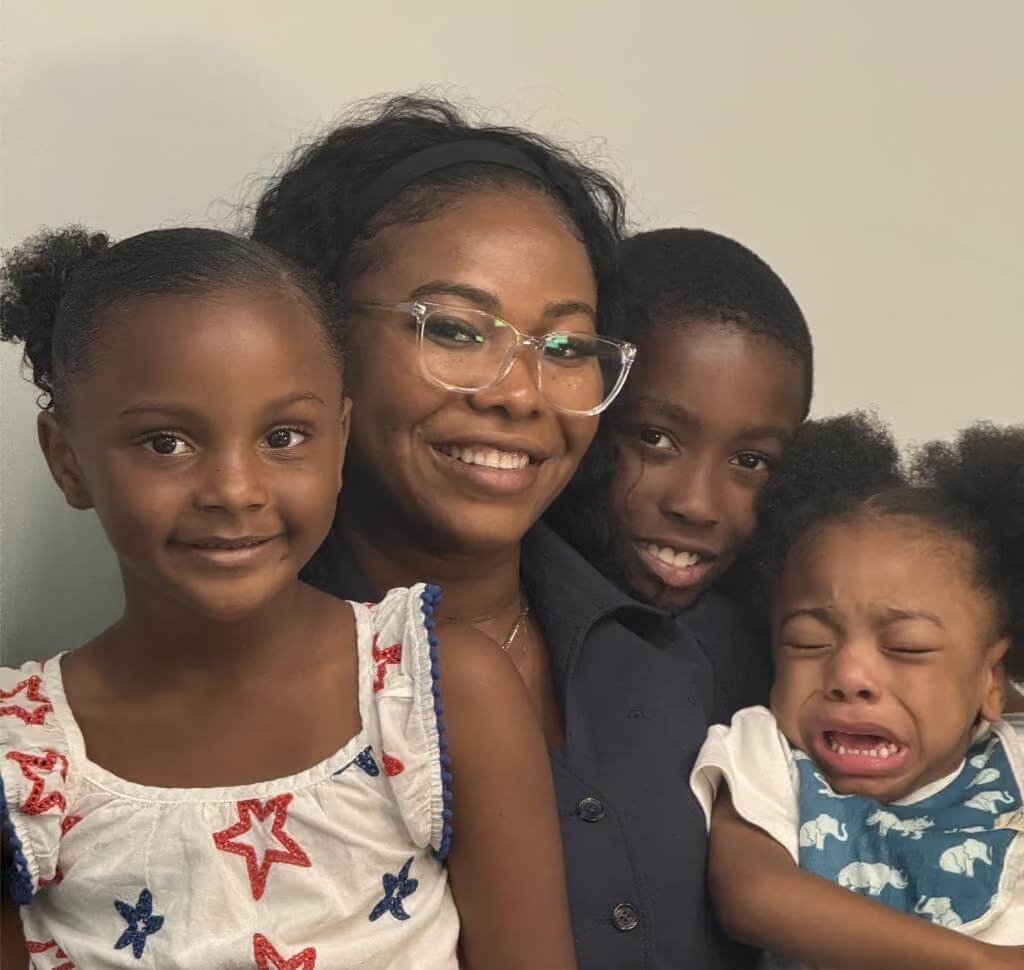
Un desafío más reciente que estoy aprendiendo a manejar tiene que ver con mis otros hijos, Kaine (7) y Assata (6), que hacen preguntas como: "¿Maxwell va a ser un bebé incluso cuando tenga 21 años?". Responder a esas preguntas difíciles y ayudar a mis hijos a entender las diferencias de su hermano no es fácil. Además, dejé mi trabajo a tiempo completo y tuve que posponer mis estudios.
Cuando dejé de trabajar para cuidar a Maxwell y me di cuenta de lo rápido que sus necesidades agotarían mis ahorros, me sentí completamente abrumada; no tenía ni idea de qué hacer. Me puse en contacto con el hospital y me pusieron en comunicación con un trabajador social.
Me hablaron de la OPWDD y de otros programas gubernamentales que podían ofrecerme apoyo financiero y práctico. Al final, elegí recibir mis servicios de Hamaspik y me alegro mucho de haberlo hecho. Ha sido transformador para mí conectar con trabajadoras sociales que son madres como yo —algunas con hijos con necesidades especiales— y recibir el apoyo de nuestros trabajadores de apoyo directo (DSP).
Para mí, los servicios de respiro hacen que el dicho "hace falta toda una aldea para criar a un niño" cobre vida. Es una mano amiga, un círculo de apoyo formado por personas que siento como hermanas.
Al final, estos niños son especiales porque realmente lo son. Maxwell me ha cambiado, me ha enseñado humildad y me ha hecho bajar el ritmo. Este camino ha sido duro, pero las ganancias superan al dolor. Me ha hecho más compasiva y me ha motivado más a ayudar a los demás. Gracias a Maxwell, volví a estudiar y me estoy graduando como enfermera titulada; seré otra enfermera cariñosa ahí fuera capaz de marcar la diferencia para niños como Maxwell.
Mis otros hijos han desarrollado perspectivas increíblemente maduras gracias a Maxwell. Son compasivos y amables. Kaine ayuda a los alumnos con más dificultades de su clase y Assata es muy cariñosa con Maxwell. Ambos le cantan y ayudan a cuidarlo.
Mi mensaje para cualquiera que esté pasando por dificultades es que reconozca que hay mucho dolor y obstáculos que pueden disuadirle de buscar ayuda, pero el apoyo adecuado es un salvavidas.
Cuando lo buscas, puedes ver que hay más bondad que maldad en el mundo, y cuando conectas con las personas adecuadas, te sientes como en casa.
Sé que nunca enfrentaré más dificultades de las que puedo soportar y, aunque a veces sea difícil verlo, los desafíos son bendiciones disfrazadas.