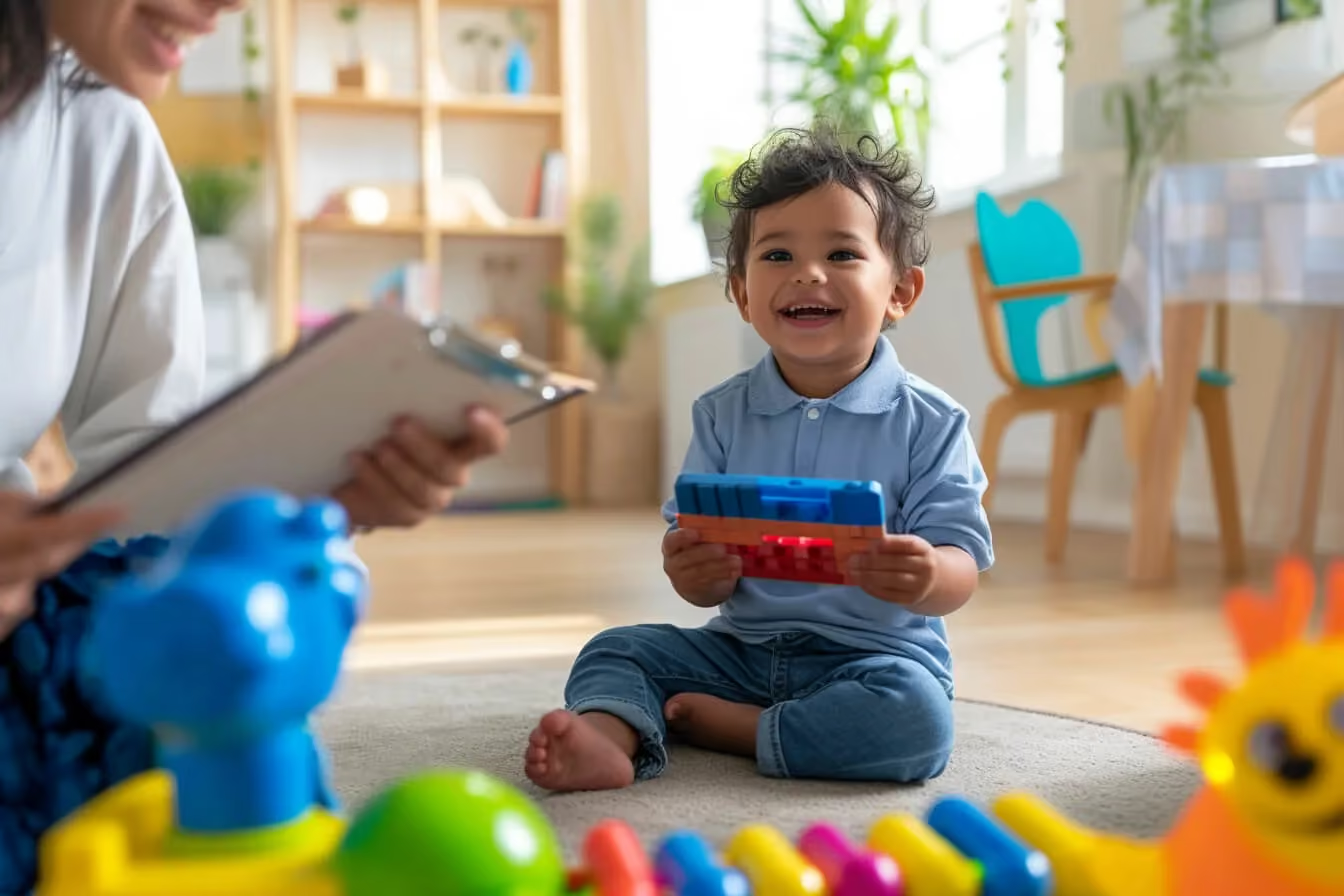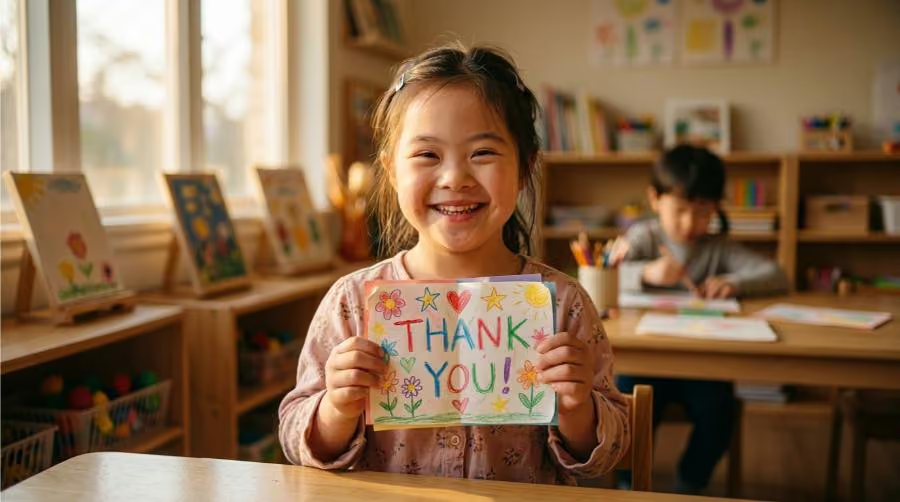



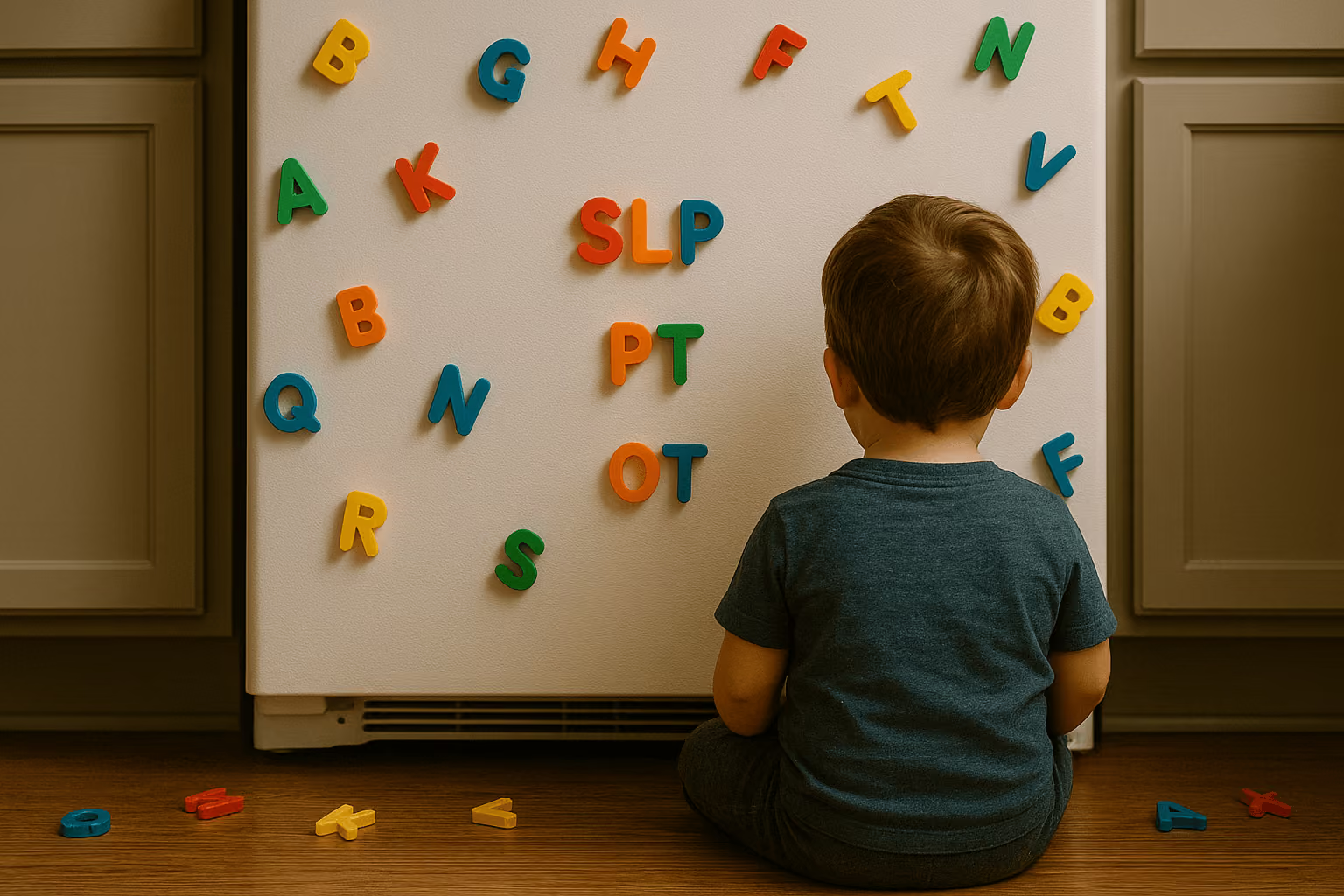
У каждого ребенка есть уникальный потенциал, который раскрывается при правильном воспитании и поддержке. Для детей с особыми потребностями грамотно подобранные методы коррекции могут стать мощным стимулом для развития.
Многообразие доступных видов терапии (и их аббревиатур) может сбить с толку. Это руководство дает четкое представление о самых распространенных методах, чтобы вы могли чувствовать себя уверенно, выбирая лучшее для своего ребенка.
Помните: дети развиваются лучше всего, когда решения о выборе терапии принимаются в сотрудничестве с проверенными специалистами.
EI — Раннее вмешательство
Раннее вмешательство — это программа для младенцев и детей младшего возраста (от рождения до 3 лет) с задержками развития или особенностями здоровья. Она включает комплекс терапевтических мер и поддержки, помогающих детям освоить важные навыки.
Когда стоит обратиться: Рассмотрите программу раннего вмешательства, если до 3 лет у ребенка были выявлены задержки в любой из областей развития: физической, когнитивной, коммуникативной, социально-эмоциональной или адаптивной. Чем раньше начнется работа, тем лучше будут результаты.
Как это выглядит? Команда специалистов (физические терапевты, эрготерапевты, логопеды и др.) обучает родителей и работает с ребенком напрямую, часто на дому или в детском саду.
ABA — Прикладной анализ поведения
ABA — широко распространенный метод терапии, особенно эффективный для детей с аутизмом. Он предполагает разбиение навыков на небольшие, доступные для освоения этапы, которые отрабатываются с помощью повторений и системы поощрений. Такой структурированный подход помогает улучшить социальные навыки, коммуникацию и поведение.
Когда стоит начать? Рекомендуется начинать ABA вскоре после постановки диагноза или при выявлении поведенческих и социальных задержек, чаще всего в раннем детстве, чтобы добиться максимальных результатов.
Как это выглядит? ABA-терапия использует повторения, подсказки и положительное подкрепление в рамках структурированных занятий, игр, головоломок и ролевых упражнений.
ЛФК - Лечебная физкультура
Лечебная физкультура направлена на развитие у ребенка крупной моторики, такой как ползание, ходьба, равновесие и координация, что способствует повышению мобильности и самостоятельности в повседневной жизни.
Когда стоит обратиться: Если у ребенка наблюдается задержка в развитии моторных навыков (сидение, ползание, ходьба), мышечная слабость, сниженный тонус или трудности с координацией движений. Терапию можно начинать с младенчества или в любой момент, когда возникают сложности.
Как это выглядит? Специалист проводит занятия с использованием балансировочных досок, терапевтических мячей, полос препятствий и эспандеров.
Эрготерапия - Эрготерапия
Эрготерапия помогает детям развивать мелкую моторику и совершенствовать навыки выполнения повседневных задач, таких как одевание, прием пищи или письмо. Эрготерапия также помогает справляться с нарушениями сенсорной обработки, чтобы ребенок легче воспринимал окружающие стимулы.
Когда стоит обратиться: При задержках или трудностях в развитии мелкой моторики, сенсорной чувствительности или навыков самообслуживания. Занятия часто начинают в раннем возрасте, однако они могут быть полезны на любом этапе, когда требуется поддержка.
Как это выглядит? Специалисты используют мелкие игрушки, такие как кубики, бусины, пластилин, материалы для творчества, сенсорные контейнеры, а также адаптивные приспособления: нескользящие коврики, столовые приборы увеличенного размера и специальные насадки на ручки.
Логопедия - Логопедическая помощь
Логопедия занимается диагностикой и коррекцией нарушений речи, языка и коммуникации. Она помогает улучшить артикуляцию, беглость речи, голос и навыки социального общения.
Специализированные логопеды также могут проводить терапию питания для детей, испытывающих трудности с приемом пищи и глотанием. Они обучают безопасным техникам глотания и постепенно вводят в рацион новые текстуры, помогая ребенку привыкнуть к ним.
Когда стоит обратиться: Если у ребенка наблюдаются задержки или трудности в развитии речи, понимании языка, приеме пищи или глотании, обратитесь к логопеду. Лучше всего начинать как можно раньше — от раннего вмешательства до дошкольного возраста.
Как проходят занятия? Отработка звуков, слов и навыков общения через песни, карточки с картинками, истории и игры; также может включать терапию питания с использованием продуктов разной текстуры, трубочек и стратегий безопасного глотания.
CCPT - Игровая терапия, центрированная на ребенке
CCPT — это недирективный метод терапии, в котором дети используют игру как естественный способ выражения чувств и решения проблем. Терапевт создает поддерживающую среду и следует за инициативой ребенка, используя игру для запуска процессов развития и исцеления.
Когда стоит обратиться: Игровая терапия может быть полезна, если у ребенка наблюдаются эмоциональные или поведенческие трудности, проблемы с выражением чувств или если он пережил травмирующее событие.
Как проходят занятия? Игровая терапия проходит в специально оборудованной комнате, где ребенок играет с игрушками, занимается творчеством или ролевыми играми, а терапевт отражает его действия, подтверждает чувства и помогает их проработать.
SI - Сенсорная интеграция
Терапия сенсорной интеграции помогает детям, которым трудно обрабатывать сенсорную информацию и реагировать на нее — зрительную, слуховую, тактильную, двигательную и другую. Обычно ее проводит эрготерапевт, прошедший специальную подготовку.
Когда стоит обратиться: Если ребенок чрезмерно чувствителен или перегружен звуками, текстурами или движением; постоянно нуждается в движении или глубоком давлении; или испытывает трудности с концентрацией внимания и контролем эмоций из-за проблем с сенсорной обработкой, ему, скорее всего, поможет сенсорная интеграция.
Как это выглядит? Терапевт использует игровые методики, направленные на то, чтобы помочь ребенку регулировать и упорядочивать сенсорные ощущения: качели, прыжки, лазание, утяжеленные одеяла или жилеты, тактильные игры с песком, водой или материалами разной текстуры, а также упражнения, обеспечивающие глубокое давление или сжатие суставов.
Существует множество других специализированных видов терапии и поддержки, которые могут понадобиться по мере взросления вашего ребенка. Доверяйте своей родительской интуиции, задавайте вопросы и выстраивайте отношения со специалистами, которые действительно прислушиваются к вашим опасениям.
Путь вашего ребенка может отличаться от других, но при наличии правильной команды поддержки и защиты интересов он сможет полностью раскрыть свой потенциал.
Чтобы получить поддержку на пути развития вашего ребенка, свяжитесь с нашими специалистами по услугам. Наша команда поможет вам разобраться в критериях получения помощи и подберет услуги, которые подходят именно вам.