
Hamaspik is an independent nonprofit organization and an authorized OPWDD service provider. This is not a government website, and Hamaspik is not a government agency.
Understanding IDD — and the support that makes everyday life easier
Intellectual and developmental disabilities affect how a person learns, communicates, and experiences everyday life. Understanding what IDD means is the first step. Finding the right support is the next, and Hamaspik is here for both.
Schedule an evaluation

Where do you even begin?
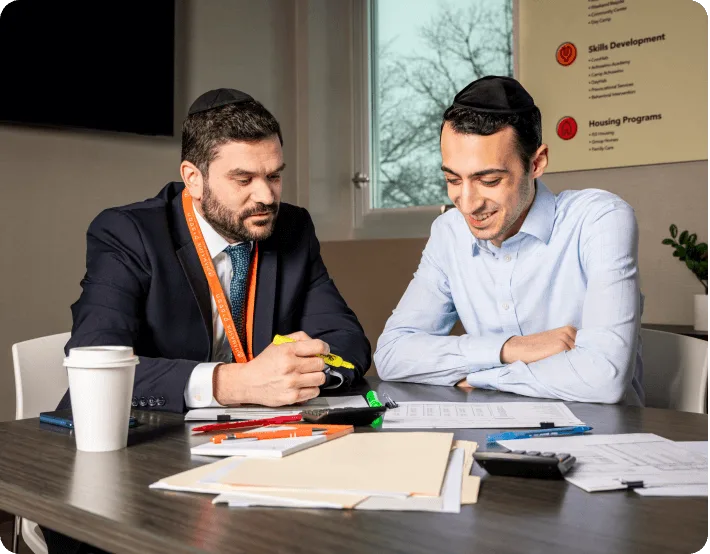
When a family first hears the term intellectual and developmental disability, or IDD, it often comes with more questions than answers. What does this mean for my child? What does it mean for our future? Where do we even begin?
There are answers and support.
Where do you even begin?
Intellectual and developmental disabilities (IDD) are a group of conditions that affect a person's cognitive ability, physical development, or both. They begin before age 22 and can influence how someone learns, communicates, solves problems, and manages everyday tasks.
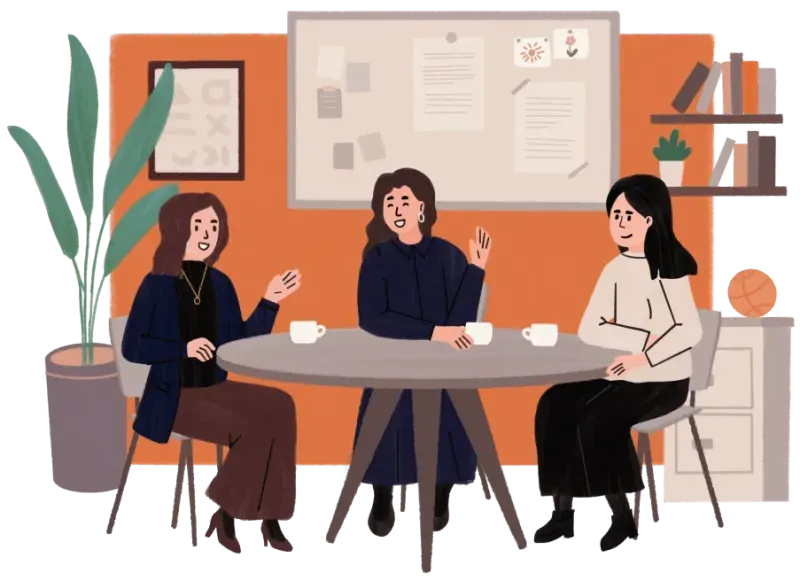
Living well with IDD is far easier with the right services in place.
Hamaspik provides services to support individuals with intellectual and developmental disabilities, including:
Community Habilitation
One-on-one support that helps individuals build daily-living and social skills right where life happens — at home and in the community.
Respite services
Compassionate, dedicated care from a respite provider connects the individual with a support person — and gives the rest of the family a much-needed break.
Family guidance.
Our Services Specialists help you understand your options and connect you to the right supports — so you're never navigating the system alone.
Not sure if you qualify? Reach out and we’ll help you get started.
Individuals must be deemed eligible by the New York State Office for People With Developmental Disabilities (OPWDD) to receive services.

Why use Hamaspik for services?
Families trust Hamaspik because we offer:

30+ years serving individuals
with intellectual and developmental disabilities
Personalized approach
A respectful, personalized approach for every individual and every family

Decades of experience
delivering OPWDD-funded care, with a specialized team who'll talk through your options and process
What is the difference between an intellectual disability and a developmental disability?
What is the difference between an intellectual disability and a developmental disability?
Developmental disability is the broad category — conditions that begin early and affect learning, language, movement, or behavior. Intellectual disability is a specific type of developmental disability, affecting reasoning and everyday problem-solving.
At what age can IDD be identified?
It varies — some conditions are clear at birth, others emerge as a child grows. IDD begins before age 22 by definition, but it's never too late to seek an evaluation.
What services are available for someone with IDD in New York?
Through OPWDD, supports like Community Habilitation, respite, care management, and day programs may be available. Which services are a good fit depends on the person's needs and eligibility — our Services Specialists can walk you through it.
How does OPWDD eligibility work?
Eligibility is determined by OPWDD, not by Hamaspik, and it’s what enables you to apply for OPWDD services such as respite and Community Habilitation. If your family is exploring OPWDD services, our Services Specialists are here to support you — reach out and we'll help you figure out where to start.
Is there a cost to families for these services?
OPWDD services are generally Medicaid-funded, so eligible individuals typically have no out-of-pocket costs. For a clear answer for your family, speak with one of our Services Specialists.
Find out about services for your family
The right support starts with a conversation
Understanding IDD gives you clarity. The right services give your family a path forward.
Reach out to our Services Specialists today.
Whether you're just beginning to learn or you're ready to explore what support could look like, we’ll walk you through every step with clarity and care.
Still have questions? Ready to get started?
Still have questions? Ready to get started?