



Когда семьи обращаются к нам за услугами для своего ребенка, один из самых частых вопросов, который мы слышим: Как пройти оценку для OPWDD?
Оценка OPWDD — это первый шаг в процессе подачи заявления на получение поддержки OPWDD для людей с нарушениями развития в штате Нью-Йорк. Однако для многих семей этот процесс кажется непонятным или пугающим.
Мы в Hamaspik считаем, что так быть не должно.
В этой статье мы подробно описываем весь процесс оценки — от подачи заявления и тестирования до того, что происходит после, — чтобы вы точно знали, чего ожидать и как подготовиться. Независимо от того, начинаете ли вы этот путь или обновляете результаты предыдущей оценки, наша цель — сделать этот этап максимально простым и комфортным для вас.
Предпочитаете смотреть? Краткий обзор доступен здесь:
Что такое оценка OPWDD и кому она нужна?
Оценка OPWDD — это профессиональное обследование, необходимое для определения права на получение услуг через Управление по делам людей с нарушениями развития (OPWDD) штата Нью-Йорк. Эти услуги могут включать в себя передышку (respite), дневные программы, поддержку в трудоустройстве и многое другое.
Чтобы иметь право на получение помощи, человек должен иметь подтвержденное нарушение развития, которое проявилось до 22 лет и вызывает значительные трудности в повседневной жизни. К таким диагнозам относятся аутизм, синдром Дауна, церебральный паралич или общая задержка развития.
Некоторые семьи приходят к нам уже с установленным диагнозом. У других есть опасения, основанные на поведении ребенка, отставании в развитии или отзывах учителей. С чего бы вы ни начали, цель оценки — получить четкое профессиональное представление о потребностях вашего ребенка и определить, соответствует ли он критериям для получения услуг OPWDD.
С чего начать?
Пройти оценку OPWDD через Hamaspik очень просто. Как только вы свяжетесь с нами, мы попросим вас заполнить небольшую анкету с основной информацией о вашем ребенке.
Если у вас есть результаты предыдущих обследований или Индивидуальный план обучения (IEP), мы также изучим их. Они не обязательны, но помогают лучше понять ситуацию.
Как только мы получим ваши документы, наша команда рассмотрит их и определит, какие именно тесты необходимы. Вам не обязательно иметь готовый диагноз или точно знать, что именно нужно искать — именно для этого и проводится оценка.
После этого мы назначим встречу и будем сопровождать вас на всех последующих этапах.
Что происходит во время оценки?
Оценка проводится в нашей клинике. Ваш ребенок встретится один на один с лицензированным специалистом. Сеансы обычно длятся от одного до полутора часов, в зависимости от потребностей вашего ребенка.
Единого стандартного теста не существует. Вместо этого специалист подбирает ряд оценочных методик, основываясь на возрасте, уровне развития и предполагаемом диагнозе ребенка.
Тестирование может включать проверку IQ (с использованием таких инструментов, как WISC или Стэнфорд-Бине), оценку адаптивного поведения (например, Vineland или ABAS), специализированные инструменты для диагностики аутизма (такие как ADIR, CARS или GARS) и другие стандартизированные методы в зависимости от клинической необходимости.
Во время сеанса вашего ребенка могут попросить:
- Ответить на устные вопросы, предназначенные для оценки понимания и логического мышления
- Находить, сортировать или классифицировать предметы и изображения для оценки когнитивных навыков и навыков визуальной обработки
- Выполнять многоступенчатые инструкции для наблюдения за вниманием, памятью и исполнительными функциями
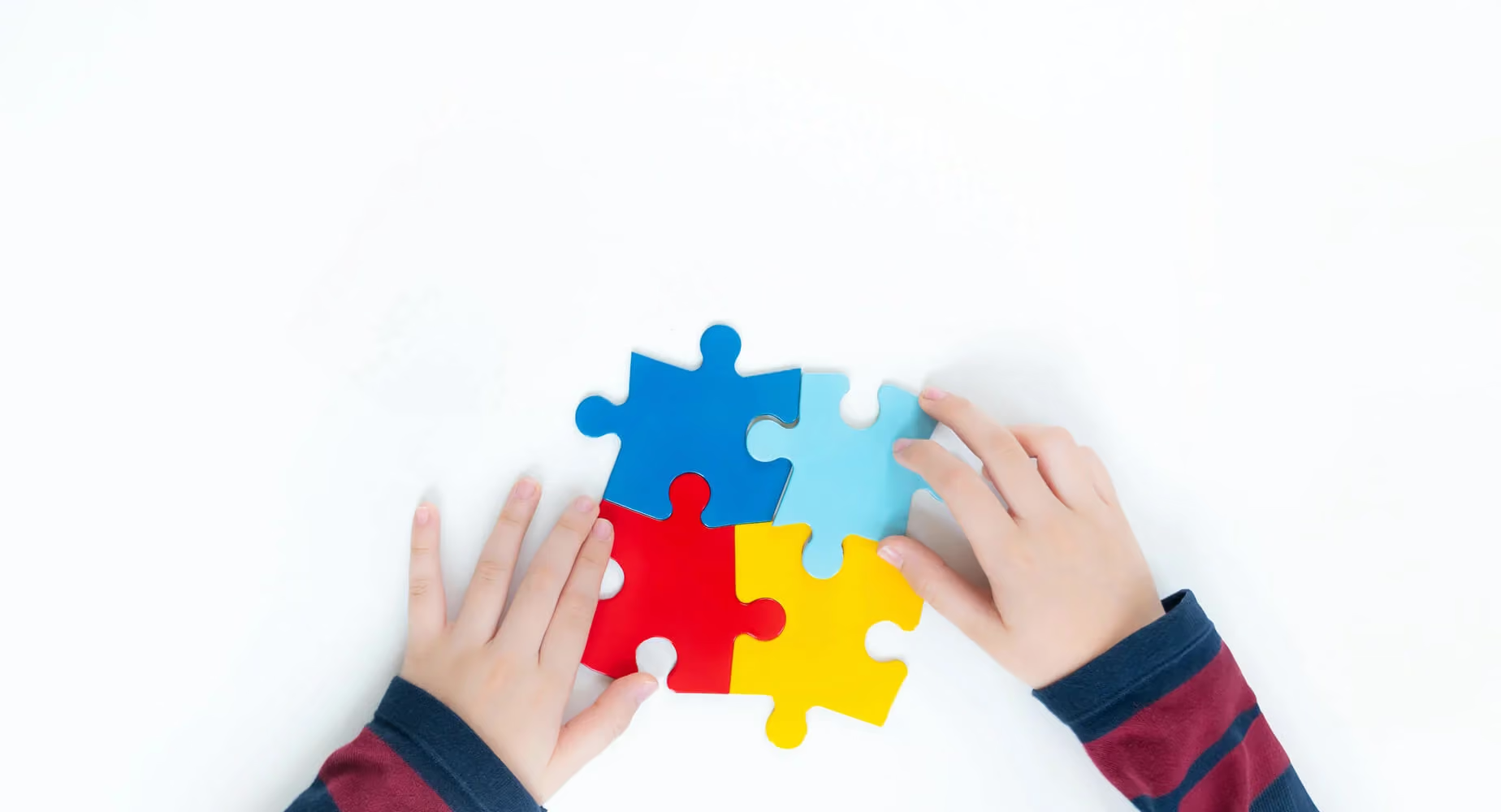
- Собирать соответствующие возрасту пазлы или выполнять практические задания, отражающие навыки решения реальных жизненных задач
Эти задания помогают специалисту понять, как ваш ребенок учится, общается и функционирует в повседневной жизни.
Цель состоит в том, чтобы понять, как ваш ребенок учится, общается и функционирует в повседневной жизни. Специалисты обучены подстраиваться под темп и уровень комфорта вашего ребенка. Здесь нет понятия «сдал» или «не сдал» — это нужно для понимания, а не для оценки.
После сеанса родители заполняют дома анкету об адаптивном поведении. В этой анкете содержатся вопросы о повседневных навыках, таких как общение, гигиена, безопасность и самостоятельность. Во многих случаях учителя или сотрудники школы также заполняют аналогичную форму, чтобы предоставить дополнительную информацию. Hamaspik предоставит анкету и инструкции, а семьи передадут их непосредственно школьной команде ребенка.
Сколько времени занимает получение результатов?
Большинство оценок назначаются в течение 6–8 недель после завершения процесса первичного приема. Как только прием завершен и все анкеты сданы, отчет обычно готов в течение трех недель.
Итоговый отчет включает все результаты оценки, клинические заключения и любые соответствующие диагнозы. Этот документ используется исключительно для определения права на получение услуг OPWDD — он не предназначен для принятия решений о лечении или терапии.
Семьям, работающим с Hamaspik, не нужно самостоятельно заниматься дальнейшими шагами. Как только оценка завершена, Hamaspik берет на себя все общение с куратором и обеспечивает передачу отчета по назначению. Вы можете сосредоточиться на потребностях вашего ребенка, а мы позаботимся обо всем остальном.
Сколько стоит оценка?
Если у вашего ребенка есть Medicaid, оценка полностью покрывается страховкой, и вам не нужно ничего доплачивать.
Если у вашего ребенка нет Medicaid, стоимость составляет 675 долларов. Это соответствует стандартной ставке возмещения Medicaid — Hamaspik не взимает плату сверх этой суммы.
В некоторых случаях, если ваш ребенок уже связан с Hamaspik или будет получать услуги через нас, вы можете претендовать на возмещение расходов или другую поддержку. Наша команда по приему заявок расскажет вам о доступных вариантах.
Что еще нужно знать?
Направление от врача не требуется. Семьи могут обратиться в Hamaspik напрямую, чтобы запросить проведение оценки.
Если ваш ребенок уже проходил оценку ранее, мы поможем определить, соответствует ли она текущим стандартам OPWDD или требует обновления. Оценки, проведенные в школе, часто бывают полезны, но не всегда включают специфические инструменты, требуемые OPWDD.
Мы проводим оценку для людей всех возрастов. Взрослые также могут претендовать на получение услуг, если их нарушение развития возникло до 22 лет, даже если они никогда не обращались за помощью ранее.
Если вы не уверены, нужна ли вашему ребенку оценка, что она в себя включает или с чего начать, просто свяжитесь с нами. Наша команда поможет вам во всем разобраться.
Почему семьи выбирают Hamaspik для проведения оценки
Оценка OPWDD — это не просто формальность. Она предоставляет профессиональную документацию, необходимую для получения поддержки через систему OPWDD— систему услуг, которые могут повлиять на повседневную жизнь, образование, независимость и долгосрочный уход за человеком.
Семьи доверяют Hamaspik, потому что мы предлагаем:
- Более короткое время ожидания по сравнению со многими другими организациями
- Специалистов по оценке, которые досконально знают все требования OPWDD
- Уважительный и индивидуальный подход к каждому ребенку
- Четкие и точные отчеты, соответствующие всем официальным стандартам
Самое главное — мы не оставляем семьи один на один с трудностями. С момента первичного обращения и до завершения процесса вас будет сопровождать команда, которая все объяснит, поддержит и поможет на каждом этапе.
Ясный путь вперед начинается здесь
Оценка — это практическая, но необходимая часть процесса получения услуг и поддержки, которые могут понадобиться вашему ребенку. Она не гарантирует право на получение помощи, но позволяет сделать правильный и осознанный шаг вперед.
Независимо от того, только начинаете ли вы этот путь или вам нужна обновленная документация, Hamaspik здесь, чтобы сделать процесс понятным, комфортным и ориентированным на будущее вашего ребенка.
У вас есть вопросы или вы готовы начать?
Свяжитесь с нашими специалистами по обслуживанию уже сегодня. Мы поможем вам пройти каждый этап с ясностью и заботой.